

Safe & Effective Strength Training for Seniors
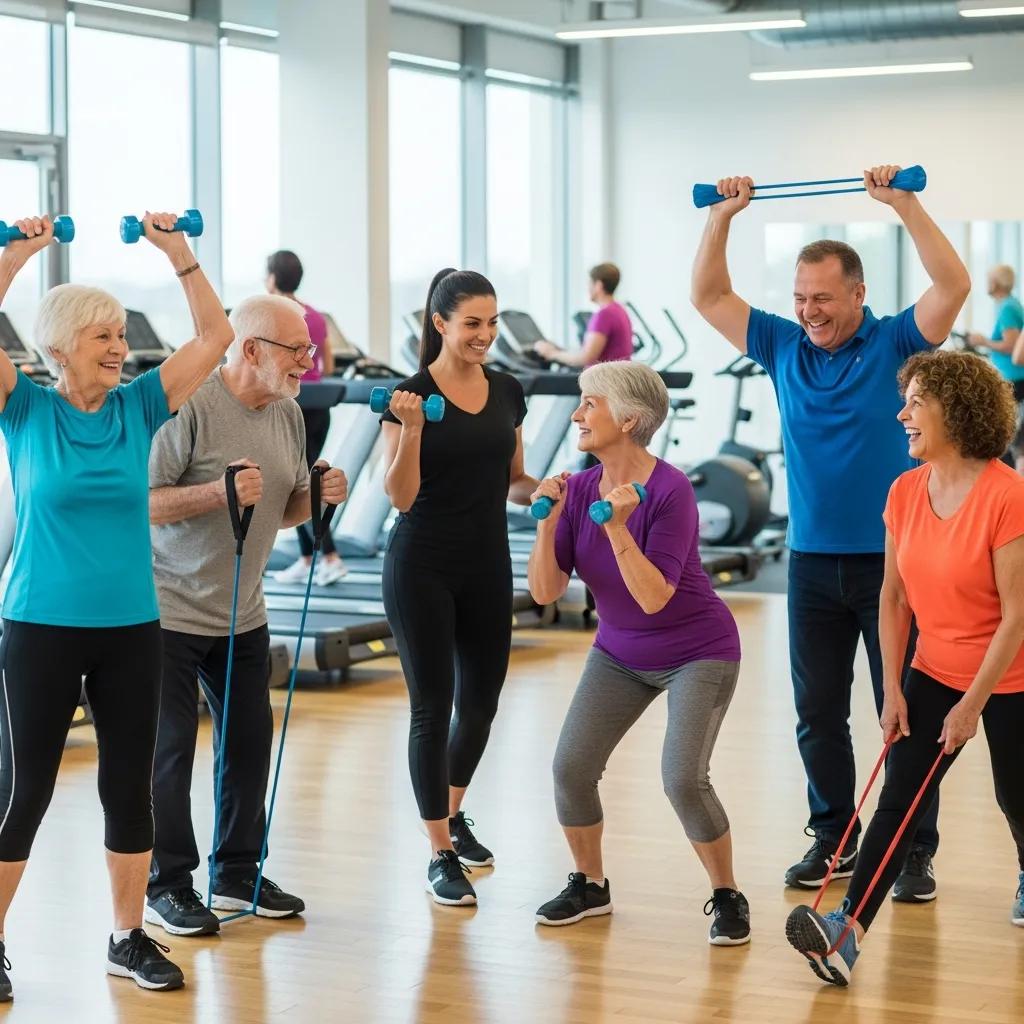
As we age, maintaining physical strength becomes increasingly important for overall health and well-being. Safe and effective strength training programs specifically designed for seniors can help enhance muscle mass, improve functional fitness, and reduce the risk of falls. This article will explore various aspects of strength training for older adults, including program types, safety considerations, and the key benefits of engaging in such activities. By understanding these elements, seniors can make informed decisions about their fitness journeys and enjoy a healthier, more active lifestyle.
Program Types
There are several types of strength training programs available for seniors, each tailored to meet individual needs and preferences. These programs can vary in structure and intensity, ensuring that older adults can find an option that suits their fitness levels.
- 1-on-1 Personal Training: This approach offers personalized attention from a certified trainer who can design a program specifically for the individual’s goals and abilities.
- Small Group Training: This format allows seniors to work out in a supportive environment with peers, fostering motivation and camaraderie while still receiving guidance from a trainer.
These program types provide a foundation for safe and effective strength training, ensuring that seniors can engage in physical activity that is both enjoyable and beneficial.
Safety Considerations
Safety is paramount when it comes to strength training for seniors. Implementing proper safety measures can help prevent injuries and ensure a positive experience.
- Proper Form and Technique: Learning the correct way to perform exercises is crucial for avoiding injuries. Trainers can provide guidance on maintaining proper form.
- Customized Workouts: Tailoring workouts to individual fitness levels and health conditions helps ensure that seniors are not overexerting themselves.
- Injury Prevention: Incorporating warm-up and cool-down routines, as well as listening to one’s body, can significantly reduce the risk of injury.
By prioritizing safety, seniors can enjoy the benefits of strength training while minimizing potential risks.
Effectiveness of Strength Training
Strength training is highly effective for seniors, offering numerous benefits that contribute to overall health and well-being.
Engaging in regular strength training combats conditions such as sarcopenia and osteopenia, which are characterized by the loss of muscle mass and bone density. This type of exercise improves functional strength, enabling seniors to perform daily activities with greater ease. Additionally, strength training has been shown to enhance mental health, reducing symptoms of anxiety and depression.
What Are the Key Benefits of Strength Training for Seniors?
Strength training provides several key benefits for older adults, making it an essential component of a healthy lifestyle.
- Improved Functional Strength: Regular strength training enhances the ability to perform everyday tasks, such as lifting groceries or climbing stairs.
- Bone Health Support: Weight-bearing exercises help maintain bone density, reducing the risk of fractures and osteoporosis.
- Joint Stability and Injury Prevention: Strengthening the muscles around joints can improve stability and reduce the likelihood of injuries.
These benefits highlight the importance of incorporating strength training into a senior’s fitness routine.
How Does Strength Training Improve Muscle Mass and Functional Fitness?
Strength training plays a vital role in preserving and building muscle mass as individuals age.
By engaging in resistance exercises, seniors stimulate muscle fibers, promoting growth and maintenance of muscle mass. This process is essential for improving functional fitness, which refers to the ability to perform daily activities with ease. Enhanced muscle mass contributes to better balance, coordination, and overall physical performance, allowing seniors to maintain their independence.
In What Ways Does Strength Training Reduce Fall Risk and Enhance Safety?
Falls are a significant concern for seniors, often leading to serious injuries. Strength training can help mitigate this risk in several ways.
- Improved Joint Stability and Mobility: Strengthening the muscles around joints enhances stability, making it easier to maintain balance.
- Enhanced Functional Strength: Increased muscle strength allows seniors to react more effectively to potential falls, reducing the likelihood of injury.
By focusing on these aspects, strength training can significantly enhance safety for older adults.
How Are Personalized Strength Training Programs Designed for Older Adults?
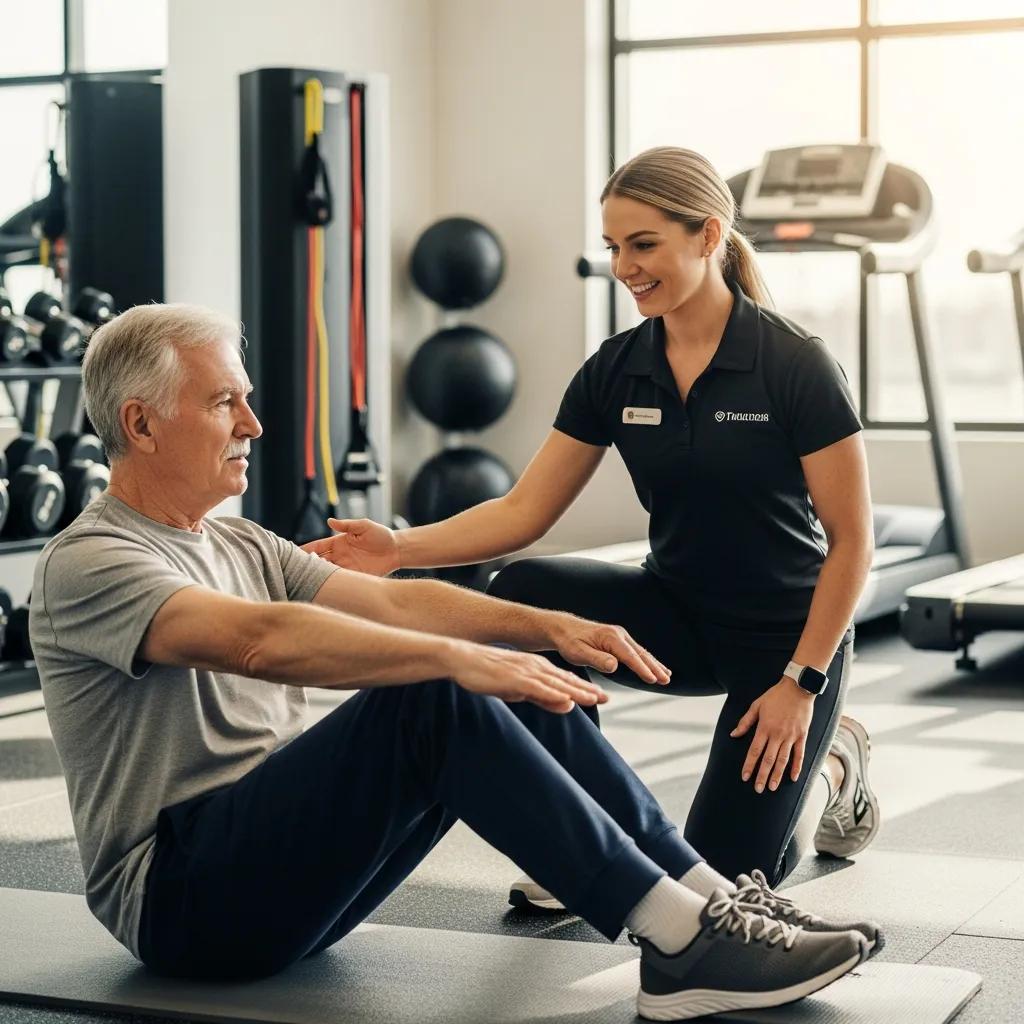
Personalized strength training programs for seniors are designed with individual needs and goals in mind.
Research further supports the efficacy of personalized approaches, even exploring innovative delivery methods like smartphone applications for tailored exercise programs.
Personalized Multicomponent Exercise for Seniors via Smartphone
Optimal application of the recently updated World Health Organization (WHO) guidelines for exercise in advanced age necessitates an accurate adjustment for the age-related increasing variability in biological age and fitness levels, alongside detailed recommendations across a range of motor fitness components, including balance, strength, and flexibility. We previously developed and validated a novel tool, designed to both remotely assess these fitness components, and subsequently deliver a personalized exercise program via smartphone.
Personalized multicomponent exercise programs using smartphone technology among older people: protocol for a randomized controlled trial, Y Netz, 2021
- Assessment Methods: Trainers typically begin with an assessment to evaluate the individual’s current fitness level, health conditions, and personal goals.
- Customization Factors: Programs are tailored based on the assessment results, ensuring that exercises are appropriate and effective for the individual.
This personalized approach maximizes the benefits of strength training while minimizing risks.
What Factors Do Certified Trainers Consider When Creating Senior Fitness Plans?
Certified trainers take several factors into account when developing fitness plans for seniors.
- Safety: Ensuring that exercises are safe and suitable for the individual’s health status is a top priority.
- Individual Health Conditions: Trainers consider any pre-existing health conditions, such as arthritis or heart disease, to tailor the program accordingly.
By addressing these factors, trainers can create effective and safe strength training plans for older adults.
Which Age-Appropriate Resistance Exercises Are Included in These Programs?
Age-appropriate resistance exercises are essential for seniors to safely engage in strength training.
- Bodyweight Exercises: These include movements like squats, push-ups, and lunges, which utilize the individual’s body weight for resistance.
- Light Weights: Using light dumbbells or resistance bands can help seniors build strength without overexerting themselves.
Incorporating these exercises into a training program ensures that seniors can safely improve their strength and fitness levels.
What Safety Guidelines Should Seniors Follow During Strength Training?
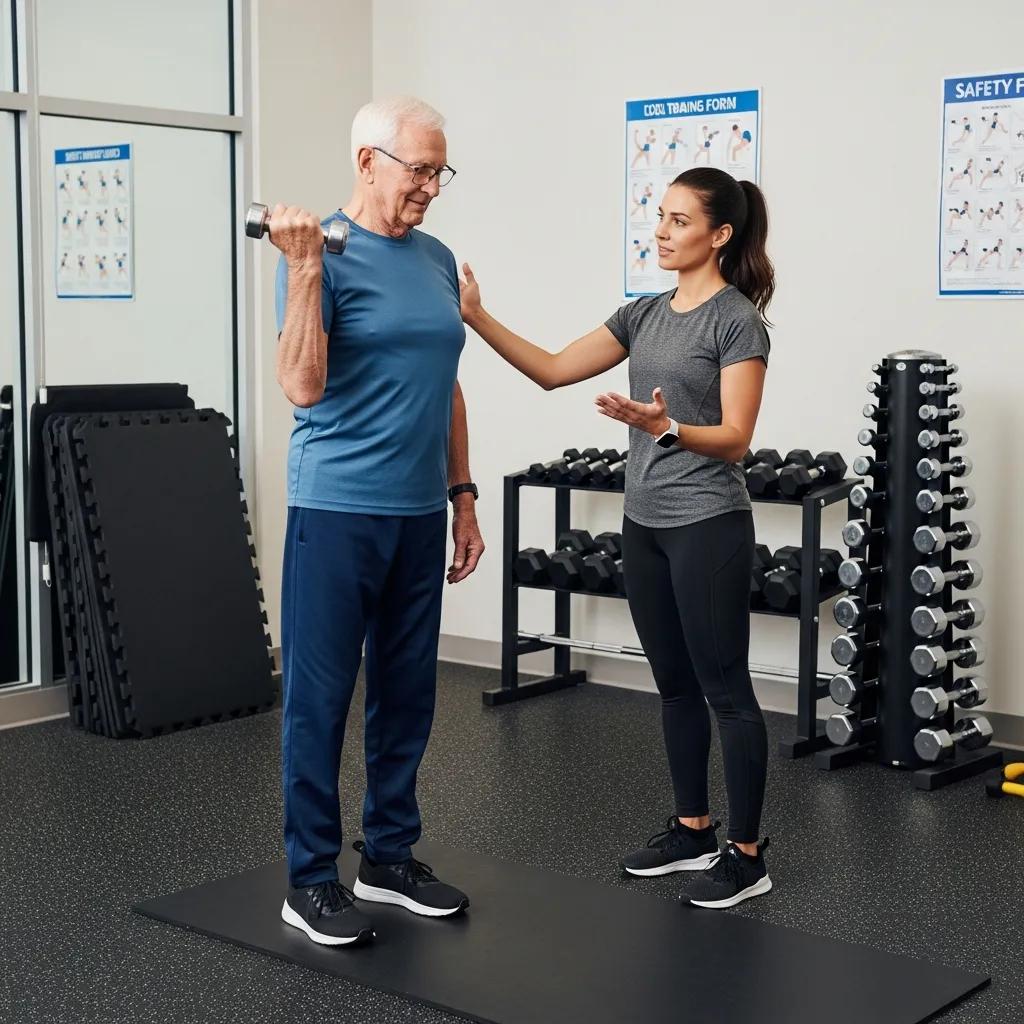
Seniors should adhere to specific safety guidelines to ensure a safe and effective strength training experience.
- Consult a Healthcare Provider: Before starting any new exercise program, seniors should consult with their healthcare provider to ensure it is safe for them.
- Start Slow and Progress Gradually: It is essential to begin with lighter weights and fewer repetitions, gradually increasing intensity as strength improves.
Following these guidelines can help seniors enjoy the benefits of strength training while minimizing risks.
How Often Should Older Adults Perform Strength Training for Optimal Results?
For optimal results, older adults should aim to engage in strength training exercises at least two to three times per week.
- Recommended Frequency: Consistency is key, as regular workouts help maintain and build muscle mass.
- Benefits of Consistency: Establishing a routine can lead to improved strength, balance, and overall health.
By adhering to these recommendations, seniors can maximize the benefits of their strength training programs.
Where Can Seniors Find Expert Personal Training and Support in Auburn, AL?
Seniors seeking expert personal training and support in Auburn, AL, can find various options available to them.
Infinity Personal Training specializes in delivering customized personal training solutions with a focus on safe and effective strength training for seniors and older adults. This personalized approach ensures that seniors receive the guidance and support they need to achieve their fitness goals.
What Makes Infinity Personal Training a Trusted Choice for Senior Fitness?
Infinity Personal Training stands out as a trusted choice for senior fitness due to its commitment to personalized care and expert coaching.
- Personalized Approach: Each program is tailored to meet the unique needs of seniors, ensuring safety and effectiveness.
- Expert Coaching: Trainers are certified and experienced in working with older adults, providing the necessary support and guidance.
This dedication to quality makes Infinity Personal Training an excellent option for seniors looking to enhance their strength and overall fitness.
How Do Testimonials Reflect the Effectiveness of Senior Strength Programs?
Testimonials from clients can provide valuable insights into the effectiveness of senior strength programs.
- Client Success Stories: Many seniors report significant improvements in strength, balance, and overall well-being after participating in these programs.
- Community Impact: Positive experiences shared by clients can encourage others to engage in strength training, fostering a supportive community.
These testimonials highlight the transformative effects of strength training for seniors, reinforcing its importance in promoting health and wellness.
Frequently Asked Questions
What are the signs that a senior should start strength training?
There are several indicators that suggest a senior should consider starting strength training. These include difficulty performing daily activities, such as lifting objects or climbing stairs, experiencing muscle weakness, or having a history of falls. Additionally, seniors looking to improve their overall health, enhance mobility, or manage chronic conditions may benefit from incorporating strength training into their routine. Consulting with a healthcare provider can help determine the appropriateness of starting a strength training program based on individual health status.
How can seniors stay motivated to continue strength training?
Staying motivated in a strength training program can be challenging for seniors, but several strategies can help. Setting realistic and achievable goals, tracking progress, and celebrating small victories can boost motivation. Joining group classes or training with a friend can provide social support and accountability. Additionally, varying workouts to keep them interesting and enjoyable can help maintain enthusiasm. Finding a trainer who understands seniors’ needs can also enhance motivation through personalized encouragement and guidance.
What role does nutrition play in strength training for seniors?
Nutrition plays a crucial role in supporting strength training for seniors. A balanced diet rich in protein is essential for muscle repair and growth, while adequate hydration helps maintain overall health and performance. Seniors should focus on consuming nutrient-dense foods, including lean proteins, whole grains, fruits, and vegetables, to fuel their workouts and recovery. Consulting with a nutritionist can provide tailored dietary recommendations that align with individual fitness goals and health conditions, ensuring optimal results from strength training efforts.
Are there any specific warm-up exercises recommended for seniors before strength training?
Yes, warming up is essential for seniors before engaging in strength training to prevent injuries. Recommended warm-up exercises include gentle movements that increase blood flow and flexibility, such as arm circles, leg swings, and light walking. Dynamic stretches targeting major muscle groups can also be beneficial. These activities prepare the body for more intense exercises by enhancing mobility and reducing stiffness. A proper warm-up routine can significantly improve performance and safety during strength training sessions.
How can seniors track their progress in strength training?
Seniors can track their progress in strength training through various methods. Keeping a workout journal to log exercises, weights, repetitions, and sets can help visualize improvements over time. Regularly assessing strength through simple tests, such as measuring how much weight can be lifted or how many repetitions can be completed, can provide tangible evidence of progress. Additionally, taking note of improvements in daily activities, such as increased ease in lifting objects or enhanced balance, can also serve as motivational indicators of success.
What should seniors do if they experience pain during strength training?
If seniors experience pain during strength training, it is crucial to stop the activity immediately and assess the situation. Pain can be a sign of improper form, overexertion, or an underlying health issue. Seniors should consult with a healthcare provider or a certified trainer to evaluate the cause of the pain and determine the best course of action. Modifying exercises, adjusting weights, or incorporating rest days may be necessary to ensure safety and prevent further injury.
Conclusion
Engaging in strength training offers seniors numerous benefits, including improved functional strength, enhanced bone health, and reduced fall risk. By understanding the importance of personalized programs and safety considerations, older adults can make informed choices that support their fitness journeys. Embrace the opportunity to enhance your well-being through tailored strength training solutions. Discover how Infinity Personal Training can help you achieve your fitness goals today.