

Improve Daily Life with Functional Fitness Over 40
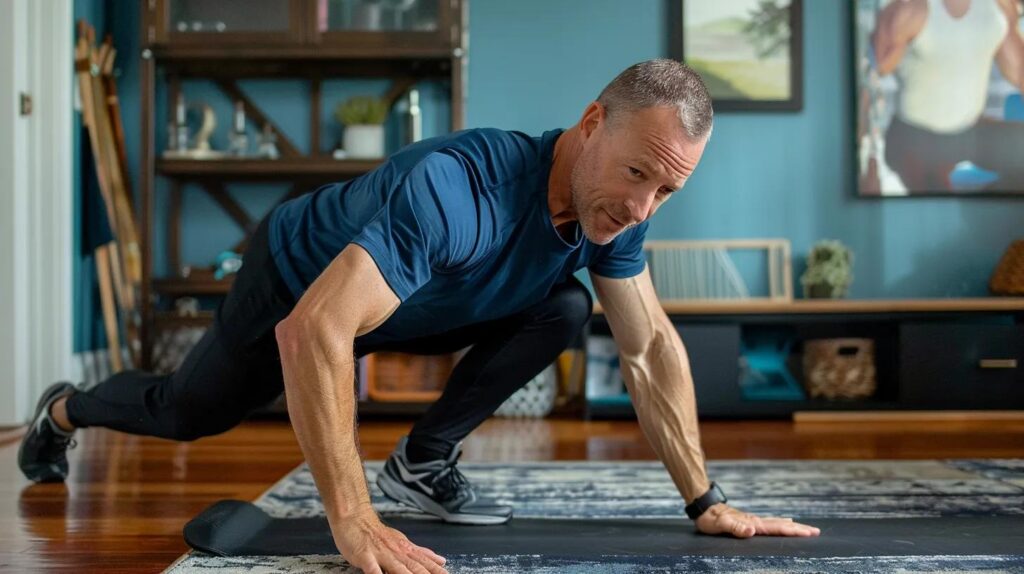
As individuals enter their 40s and beyond, the importance of maintaining functional fitness becomes increasingly critical. Functional fitness focuses on exercises that enhance everyday movements, improving mobility, strength, and balance. This article explores how all adults, particularly those over 40, can adopt functional fitness routines to enhance their daily lives, reduce the risk of injury, and maintain overall well-being. Many adults may face challenges such as decreased mobility or increased susceptibility to injuries. Implementing functional fitness can provide practical solutions, fostering independence and improving quality of life. Throughout this article, we will delve into the key benefits of functional fitness, effective workouts tailored for adults over 40, and strategies to integrate strength exercises into everyday routines.
What Are the Key Benefits of Functional Fitness Over 40?
Engaging in functional fitness offers significant advantages, especially as one ages. Primarily, it enhances mobility, improving the range of motion and flexibility of joints, which aids in daily activities. Functional fitness also works to improve daily living activities by strengthening the muscles used in everyday tasks, making them easier and less taxing. In addition, focusing on these exercises reduces the risk of falls, a major concern for older adults, by enhancing balance and coordination.
How Does Functional Fitness Enhance Mobility and Joint Health?
Functional fitness enhances mobility and joint health by promoting joint flexibility and allowing for greater range of motion in everyday movements. For example, exercises such as squats and lunges improve hip and knee flexibility. Additionally, incorporating dynamic stretching into your routine aids in preparing the joints for movement, reducing the likelihood of injury. Integrating mobility-focused drills can lead to significant improvements in joint health, allowing adults over 40 to move more freely and comfortably.
In What Ways Does Strength Training Support Everyday Activities?
Strength training supports everyday activities by building the muscle mass necessary to perform daily tasks with ease. As muscle mass naturally declines with age, engaging in strength training can counteract this decline, fostering endurance and functional strength. Practical examples include lifting groceries, climbing stairs, or simply standing up from a chair, all of which require strength in the lower body. Maintenance of strength not only aids in daily tasks but also contributes to long-term health and wellness.
For more detailed insights on the effectiveness of functional strength training in older adults, consider the following research.
Functional vs. Traditional Strength Training for Elderly Muscle Power
The aim was to determine whether strength training with machines vs. functional strength training at 80% of one-repetition maximum improves muscle strength and power among the elderly. Sixty-three subjects (69.9 ± 4.1 yr) were randomized to a high-power strength group (HPSG), a functional strength group (FSG), or a nonrandomized control group (CG). Traditional versus functional strength training: effects on muscle strength and power in the elderly, H Lohne-Seiler, 2013
Which Mobility Workouts Are Best Suited for Adults Over 40?
Choosing the right mobility workouts is essential for adults over 40 to maintain flexibility and joint health. Low-impact exercises can greatly enhance mobility while being gentle on the joints. Examples include yoga, Tai Chi, and water aerobics, which promote flexibility and reduce stress on the body.
What Are Effective Joint Flexibility and Dynamic Stretching Exercises?
Effective joint flexibility exercises include static stretches such as hamstring stretches and shoulder stretches, which help maintain and improve flexibility in critical areas. Dynamic stretching exercises like leg swings or arm circles should also be included, as they warm up the muscles and prepare them for the activity ahead, improving overall joint function and reducing the risk of injury.
How Can Low Impact Mobility Drills Prevent Age-Related Decline?
Low impact mobility drills such as walking, swimming, or cycling prevent age-related decline by promoting cardiovascular health and enhancing muscle endurance. These activities can be performed regularly without putting excessive strain on the joints, making them ideal for older adults. Integrating these drills into a weekly routine can significantly bolster overall mobility and fitness, helping individuals maintain independence.
How Can Everyday Strength Exercises Be Safely Integrated into Routine?
Incorporating strength exercises into a daily routine can be achieved safely by following certain guidelines. It is essential to focus on form and technique, beginning with lighter weights and gradually increasing as strength improves. You can find more information on the power of strength training.
What Are Recommended Functional Strength Training Techniques for Aging Adults?
Recommended techniques include bodyweight workouts, resistance band training, and exercises using light dumbbells. These methods allow aging adults to build strength without the high risk of injury associated with heavy lifting. For example, wall sits and modified push-ups can effectively target major muscle groups while maintaining safety.
How to Develop a Personalized Strength Program Based on Functional Assessments?
Creating a personalized strength program involves conducting functional assessments to understand individual capabilities and limitations. This process can help in developing a tailored routine that meets specific needs, ensuring exercises are both effective and safe. Setting realistic goals based on these assessments can also foster motivation and adherence to the program.
What Are the Best Flexibility and Balance Exercises for Older Adults?

Flexibility and balance exercises are crucial for enhancing overall functional fitness in older adults. Exercises that promote flexibility, such as yoga and Pilates, can enhance joint mobility and muscle elasticity, while balance exercises are vital for preventing falls.
Which Balance Training Workouts Improve Stability and Prevent Falls?
Efficient balance training workouts that improve stability include simple standing exercises like single-leg stands, heel-to-toe walks, and balance board activities. These types of exercises enhance proprioception, which is critical for maintaining balance and reducing fall risks.
How Does Flexibility Training Contribute to Overall Functional Fitness?
Flexibility training contributes to overall functional fitness by promoting muscle elasticity and joint flexibility. Regular stretching routines can help alleviate stiffness and tension, enabling smoother and more fluid movements. Additionally, enhanced flexibility can prevent injuries during weight-bearing activities, maintaining long-term health.
How Can Injury Prevention and Recovery Be Supported Through Functional Fitness?
Incorporating injury prevention strategies into fitness routines can significantly reduce risks associated with exercise. Training programs that focus on strengthening particular muscle groups while improving flexibility can enhance overall resilience to injuries. the power of strength training
What Strategies Reduce Injury Risks in Fitness Programs Over 40?
To reduce injury risks, including proper warm-up and cool-down periods is vital, as these actions prepare the body for exercise. Additionally, ensuring a balanced workout routine that incorporates both strength and flexibility can help address and strengthen underutilized muscles, ultimately preventing injuries.
How Are Recovery Methods Integrated Into Functional Fitness Regimens?
Recovery techniques such as stretching, foam rolling, and hydration should be integrated into functional fitness regimens. These methods help manage muscle soreness and promote healing after workouts, making it easier to maintain a routine. Recognizing the importance of recovery is crucial for sustaining long-term fitness and well-being. Recognizing my strength
Which Nutrition and Lifestyle Practices Complement Functional Fitness Over 40?
Understanding how nutrition and lifestyle choices can enhance functional fitness is crucial for adults over 40. Diet and lifestyle significantly influence muscle health and recovery processes.
What Dietary Approaches Support Muscle Health and Mobility?
Dietary approaches that support muscle health include ensuring adequate protein intake for muscle maintenance and recovery, incorporating healthy fats for inflammation reduction, and staying hydrated. Foods rich in omega-3 fatty acids, like fish and walnuts, can help in reducing inflammation, thus supporting mobility.
How Do Lifestyle Habits Enhance Long-Term Fitness and Well-being?
Lifestyle habits such as getting adequate sleep, managing stress, and engaging in regular physical activity enhance long-term fitness. Consistent routines foster greater resilience and adaptability in facing life’s challenges, leading to improved physical and mental health.
Frequently Asked Questions
What types of equipment are recommended for functional fitness for adults over 40?
For adults over 40, incorporating simple, versatile equipment can enhance functional fitness routines. Commonly recommended tools include resistance bands for strength training, stability balls for core engagement, and light dumbbells for versatility in exercises. Additionally, using items like balance boards can improve stability and coordination. These tools allow for gradual progression in workouts, catering to varying fitness levels, while minimizing the risk of injury. Always consult a healthcare professional before starting new equipment-based routines.
Can functional fitness routines be adapted for those with existing health conditions?
Absolutely! Functional fitness routines can and should be tailored to accommodate existing health conditions. It’s essential for individuals to consult healthcare providers or certified fitness trainers who specialize in senior fitness. They can help modify exercises to ensure safety while still achieving fitness goals. Strategies may include low-impact movements, focusing on flexibility and balance, and avoiding high-risk exercises. Personalization ensures that individuals with health concerns can participate safely in functional fitness. the power of strength training
How frequently should adults over 40 engage in functional fitness workouts?
It is generally recommended that adults over 40 engage in functional fitness workouts at least 150 minutes a week, combining both moderate-intensity aerobic activities and strength training. Ideally, these should be spread throughout the week to allow for recovery and adaptation. Incorporating balance and flexibility exercises is also essential, increasing overall functional ability. Listening to one’s body and adjusting intensity and frequency according to personal fitness levels and needs is critical to sustaining a long-term fitness routine.
What role does hydration play in functional fitness for older adults?
Hydration is crucial for everyone, but it’s especially important for older adults involved in functional fitness. Proper hydration helps maintain electrolyte balance, regulate body temperature, and enhance muscle function during workouts. Dehydration can lead to decreased stamina, increased risk of injury, and impaired recovery. It’s recommended that older adults drink water before, during, and after exercise sessions, and to pay attention to their body’s thirst signals to stay adequately hydrated throughout their fitness routines.
Are there specific warm-up routines for older adults before exercising?
Yes, warm-up routines for older adults should focus on increasing blood flow to muscles and joints while gradually preparing the body for physical activity. Recommended warm-ups include dynamic stretches, such as arm circles, leg swings, and gentle walking or marching in place. These exercises help increase heart rate and enhance flexibility, reducing the risk of injury during the main workout. A thorough warm-up is crucial as it enhances performance and overall joint function in older individuals.
How can older adults track their progress in functional fitness?
Tracking progress in functional fitness can be achieved through various methods, including setting measurable goals, keeping fitness journals, and using mobile applications designed for exercise tracking. Regularly recording workouts, noting improvements in strength, flexibility, and endurance, can provide motivation. Additionally, periodic assessments of functional abilities, such as balance tests or mobility assessments, offer concrete indicators of progress. Celebrating small milestones can encourage continued commitment to fitness routines.
Conclusion
Embracing functional fitness offers adults over 40 the opportunity to enhance their mobility, strength, and balance, ultimately improving their quality of life. This approach not only fosters independence but also significantly reduces the risk of injuries, allowing for an active and fulfilling lifestyle. By integrating tailored routines that include strength and mobility workouts, individuals can achieve noticeable benefits with consistency. Start your journey towards better health and well-being today by exploring our resources and workout plans designed specifically for older adults.