

Embrace Active Aging with Personalized Fitness
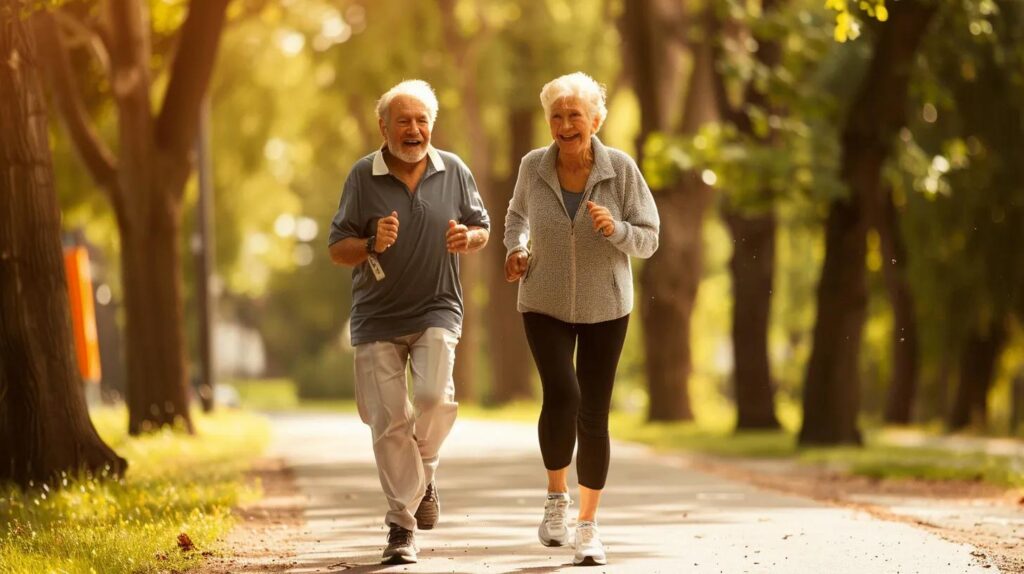
Active aging is a holistic approach that emphasizes the importance of maintaining health and well-being as individuals grow older. This framework integrates physical activity, nutrition, and mental health, creating a well-rounded strategy for longevity. Personalized fitness programs specifically tailored for seniors enhance mobility, boost strength, and improve overall quality of life.
Many seniors may face challenges such as decreased mobility, chronic diseases, and mental health issues, but the right fitness strategies can offer solutions. This article will explore the core benefits of exercise, how to create tailored fitness routines, the best exercises for aging, the role of nutrition, mental health benefits, safety precautions, and how personalized fitness programs can support active aging.
What Are the Core Benefits of Exercise for Active Aging Seniors?
Engaging in regular exercise is critical for seniors, providing numerous health benefits that extend well into later life. One of the most significant advantages is the improvement in mobility and overall strength, which directly contributes to enhanced independence. Research suggests that physical activity can lead to a reduction in chronic diseases, making it not only a way to enhance quality of life but also a means to foster longevity. Additionally, exercise promotes social connectivity, creating opportunities for seniors to engage with peers and build supportive relationships.
How Does Physical Activity Enhance Mobility and Strength in Older Adults?
Physical activity enhances mobility and strength in older adults through targeted exercises that focus on stability, balance, and coordination. Engaging in strength training, for instance, can lead to significant improvements in muscle mass and bone density, which are critical for preventing falls. Functional fitness routines, such as tai chi or yoga, help improve balance and flexibility, reducing the risk of injury. Furthermore, exercises like walking and light resistance training have been shown to maintain and even enhance functional abilities in daily activities.
Which Health Improvements Support Longevity Through Regular Senior Fitness?
Regular fitness activities support longevity in various ways, particularly by lowering the risk of chronic diseases such as heart disease, diabetes, and arthritis. Additionally, exercise has been linked to improved mental health, with studies showing reduced levels of anxiety and depression among active seniors. Engaging in exercise can also foster better sleep patterns and enhance cognitive function, which is crucial for maintaining mental acuity as one ages. Collectively, these health improvements significantly contribute to a longer and healthier life.
How to Create Customized Fitness Routines for Older Adults?
Developing personalized fitness routines for older adults requires a comprehensive approach that considers individual health status, preferences, and goals. A successful routine should include a mix of cardiovascular, strength, flexibility, and balance exercises, tailored to the specific needs of the individual. Assessing any existing health conditions or limitations is essential to create an effective and safe program that promotes active aging without risk.
What Factors Guide Designing Individualized Senior Fitness Programs?
When designing individualized senior fitness programs, critical factors include assessing physical limitations and setting achievable fitness goals. A fitness assessment conducted by a qualified professional can help identify areas that need focus, whether it’s strength, balance, or endurance. Moreover, flexibility in the program is vital, allowing for adaptations as the individual’s needs evolve. Setting realistic milestones ensures that seniors remain motivated and can experience tangible improvements in their physical capabilities.
Which Adaptive Exercises Address Common Age-Related Limitations Safely?
Adaptive exercises can help seniors with age-related limitations engage safely in physical activity. Common options include chair exercises, resistance band workouts, and water aerobics, which reduce joint stress while providing effective workouts. Furthermore, introducing low-impact exercises, such as cycling or walking, can help accommodate those with mobility issues while still promoting fitness. These adaptive strategies ensure that seniors remain active and engaged in a safe manner.
What Are the Best Exercise Types for Healthy Aging and Longevity?

Choosing the appropriate types of exercise is paramount for promoting health in aging adults. The ideal exercise program integrates strength training, cardiovascular activities, and mobility workouts, which together lead to positive health outcomes. Strength training is particularly essential, as it combats muscle loss and enhances metabolic health, while cardiovascular exercises contribute to heart health and endurance. Mobility training ensures that seniors maintain the flexibility and balance necessary for daily activities.
How Do Strength Training and Functional Fitness Improve Senior Wellness?
Strength training and functional fitness markedly improve senior wellness by addressing common age-related challenges. Resistance exercises can help increase muscle strength, enhance bone density, and improve overall endurance, thus contributing to better physical performance in everyday tasks. Furthermore, functional fitness activities, like squats or lunges, mimic daily movements, making them relevant and beneficial for maintaining independence as one ages. the power of strength training
What Role Does Cardiovascular and Mobility Training Play for Seniors?
Cardiovascular and mobility training serve crucial roles in the overall fitness ecosystem for seniors. Cardiovascular exercises, such as brisk walking or swimming, promote heart health and improve circulation, leading to a better overall sense of well-being. Meanwhile, mobility training focuses on functional movements and flexibility, helping seniors maintain their agility and reduce the risk of falls, which can be particularly dangerous.
How Does Nutrition Complement Personalized Fitness for Active Aging?

Nutrition plays a complementary role to fitness routines, especially for seniors looking to maximize the benefits of active aging. A well-balanced diet provides the necessary nutrients essential for energy production and recovery post-exercise. Specific dietary strategies, such as incorporating adequate protein and hydration, support the physiological changes that occur with aging, aiding in both physical and cognitive recovery.
Which Nutritional Strategies Support Exercise Recovery and Longevity?
Implementing effective nutritional strategies can significantly support exercise recovery for seniors. Key approaches include ensuring sufficient protein intake to promote muscle repair and growth, along with incorporating antioxidants through fruits and vegetables to combat oxidative stress caused by exercise. Additionally, maintaining hydration is critical; seniors should aim to drink enough fluids before, during, and after physical activity to support overall health and recovery.
What Are Key Nutrition Tips for Maintaining Senior Health and Vitality?
To maintain health and vitality, seniors should focus on consuming whole foods such as vegetables, fruits, whole grains, lean proteins, and healthy fats. Minimizing processed foods can reduce the intake of excess sugars and unhealthy fats, which are detrimental to health. Furthermore, regular meals with balanced macronutrients are essential for sustaining energy levels throughout the day and fostering a robust immune response.
How Can Mental Health Be Enhanced Through Physical Activity in Older Adults?
Physical activity plays a vital role in enhancing mental health among older adults. Regular exercise has been shown to reduce symptoms of anxiety, depression, and cognitive decline, fostering an overall sense of well-being. Moreover, participating in group exercises or community fitness programs can enhance social connections, which are crucial for combating loneliness and promoting a healthy mental state as one ages.
What Are the Mental Benefits of Regular Exercise for Seniors?
Regular exercise provides substantial mental health benefits for seniors, including improved mood and reduced anxiety levels. Activities that raise the heart rate can also enhance brain function by stimulating the production of neurotransmitters, which improve mood and cognitive abilities. Furthermore, the sense of accomplishment from regular exercise routines can boost self-esteem and reduce feelings of helplessness.
How to Incorporate Mind-Body Exercises for Emotional Well-being?
Mind-body exercises, such as yoga and tai chi, can play an essential role in supporting emotional well-being among seniors. These practices not only promote physical strength and balance but also emphasize deep breathing and mindfulness, which contribute to reduced stress and anxiety. Incorporating such exercises into a routine can provide a holistic approach to wellness that benefits both the body and mind.
What Safety Precautions Ensure Injury-Free Senior Fitness Programs?
Safety is paramount in creating effective fitness programs for seniors. It is crucial to identify and address any age-related physical restrictions before commencing an exercise routine. Ensuring that exercises are adjusted for individual capabilities helps prevent injuries and ensures that seniors can participate comfortably and confidently.
How to Identify and Manage Age-Related Physical Restrictions?
Identifying and managing age-related physical restrictions requires careful assessment and monitoring. Professionals can help by conducting preliminary assessments that evaluate strength, flexibility, and any pre-existing conditions. By understanding these limitations, tailored modifications can be developed for each exercise to improve safety while allowing for full participation in fitness activities.
What Are Best Practices for Safe Mobility and Strength Training?
Best practices for safe mobility and strength training include thorough warm-up sessions prior to exercise, consistent monitoring of form and technique, and applying gradual progressions in intensity. Additionally, employing supervision, whether from trained professionals or knowledgeable peers, can significantly enhance safety while ensuring exercises are executed correctly, reducing the risk of injury.
By understanding and implementing these strategies, seniors can engage in personalized fitness programs that not only support physical health but also enhance emotional well-being, ultimately fostering a more active and fulfilling life.
Conclusion
Embracing an active aging lifestyle delivers diverse benefits, including improved physical health, enhanced mental well-being, and greater independence among seniors. By integrating tailored fitness routines and nutritional strategies, older adults can experience life-altering health transformations that support longevity. Taking the first step towards active aging can begin with exploring personalized fitness programs designed to meet individual needs. Discover the resources available to enhance your fitness journey today.