

Build Strength and Community with Group Workout Classes in Auburn
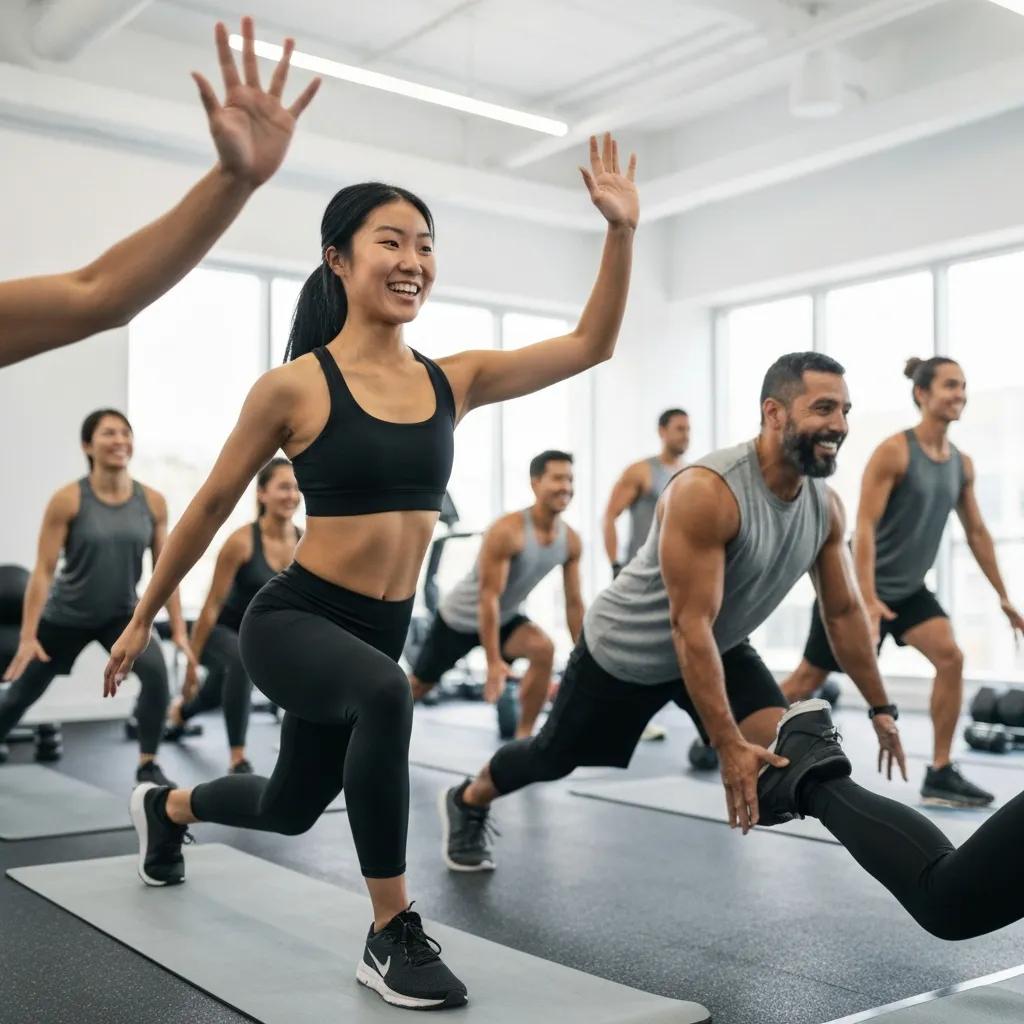
Group fitness classes in Auburn combine structured strength training with social connection to help participants improve functional power, mobility, and consistency. This article explains how organized group workouts—from HIIT to Pilates and TRX—use progressive overload, coached form, and varied resistance to build measurable strength for everyday tasks. Readers will learn which class types suit different goals, why small group personal training often accelerates results, how a local fitness community boosts adherence, and what trainer credentials matter for safe progress. Common pain points such as inconsistent attendance, unclear program progression, and feeling intimidated in large classes are addressed with practical solutions and scheduling guidance. Throughout, the focus is on evidence-backed mechanisms and actionable next steps so you can pick the right group format, estimate frequency for strength gains, and connect with a supportive in Auburn.
What Are Group Fitness Classes in Auburn and How Do They Build Strength?
Group fitness classes in Auburn are instructor-led exercise sessions where multiple participants follow a structured program using resistance, bodyweight, and functional movements to improve strength and endurance. These classes build strength through three main mechanisms: progressive overload via increasing load or volume, movement specificity by training patterns used in daily life, and coached technique to maximize force production safely. The result is measurable improvements in task-oriented strength like carrying, lifting, and climbing stairs, plus improved posture and joint stability. Understanding these mechanisms helps you match to your goals and supports consistent progression toward functional fitness.
Which Types of Group Workout Classes Are Available in Auburn?
Group workout offerings commonly include high-intensity interval training, Pilates, yoga, barre, TRX suspension, and bootcamp-style circuit classes designed to challenge strength and conditioning. Each class type emphasizes different movement patterns and intensity profiles and serves distinct participant needs. Below is a concise list of common class types and who they help most.
- HIIT Classes: Short, intense intervals that build power and anaerobic strength for intermediate to advanced participants.
- Pilates Group: Core-focused sessions that improve core strength and stability, ideal for those seeking functional control.
- TRX Group Workouts: Suspension training that scales resistance for full-body strength and balance, good for all levels.
- Barre Strength Classes: Small-range, high-repetition movements targeting muscular endurance and posture.
- Bootcamp/Circuit Training: Mixed-modality sessions using kettlebells, dumbbells, and bodyweight to develop overall functional strength.
Intro to the class comparison table: The table below summarizes how each class type emphasizes strength and who typically benefits most from
| Class Type | Primary Strength Focus | Best For |
|---|---|---|
| HIIT | Power and anaerobic capacity | Intermediate/advanced trainees seeking metabolic and strength gains |
| Pilates | Core stability and motor control | Beginners to those rehabbing movement patterns |
| TRX | Scaled resistance and balance | All levels needing full-body functional strength |
| Barre | Muscular endurance and posture | Those wanting low-impact strength and tone |
| Bootcamp/Circuit | Compound strength and conditioning | Participants aiming for overall functional strength |
How Do Group Fitness Classes Improve Functional Strength and Wellness?
Group fitness classes improve functional strength by training movement patterns—hinge, squat, push, pull, and carry—under progressively challenging conditions, which translates directly to daily activities like lifting groceries or climbing stairs. Coached sessions emphasize technique and load progression, while group pacing encourages consistent intensity that accelerates adaptation. Beyond muscular gains, classes improve mobility, cardiovascular health, and mental well-being through structured routines and measurable benchmarks. These combined physical and psychosocial benefits create durable lifestyle changes that reinforce strength and .
Why Choose Small Group Personal Training in Auburn for Personalized Strength Gains?
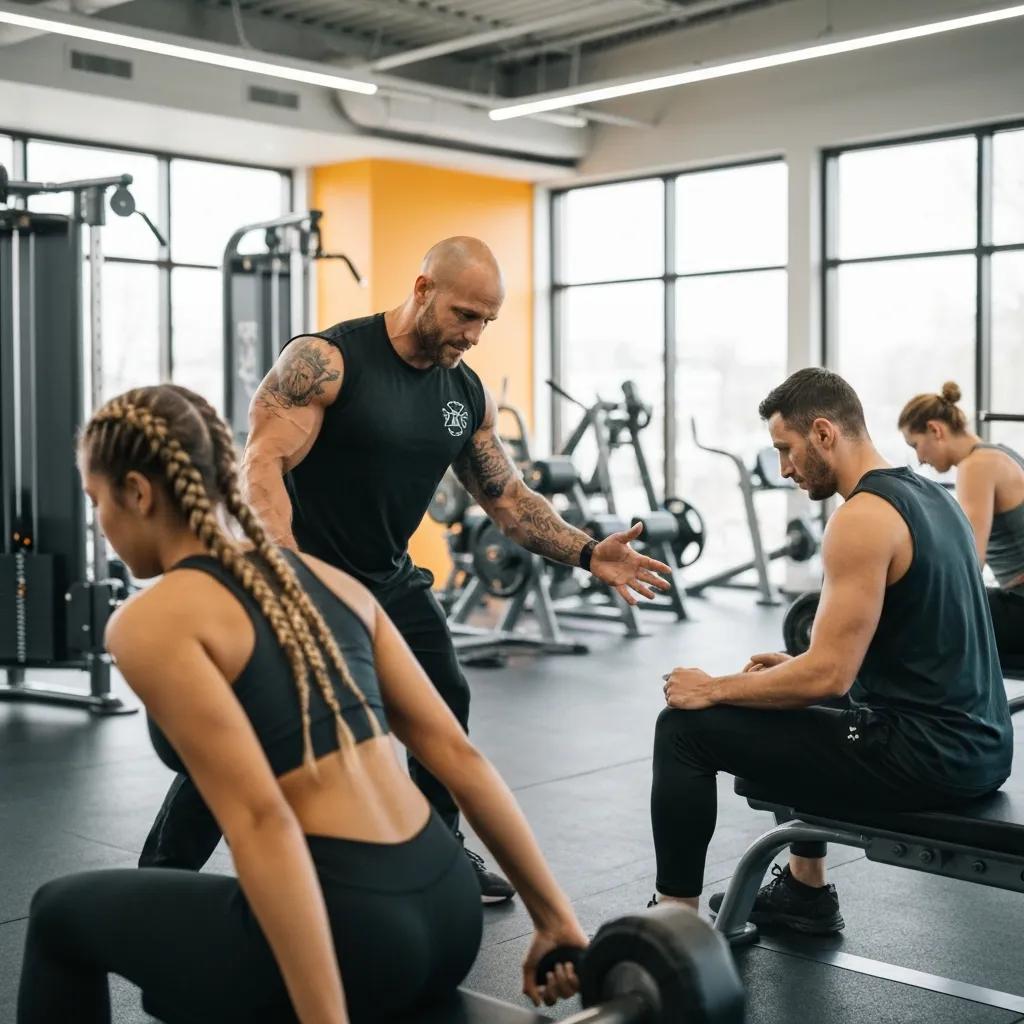
blends individualized programming with the motivation and economy of a group setting, producing faster strength gains than undirected classes while costing less than one-on-one coaching. In practice, small groups allow coaches to tailor loads, adjust technique cues, and progress each participant using objective criteria like reps-in-reserve and movement quality. For many, that combination improves adherence and accelerates functional improvements without the higher cost of private sessions. The next section gives a clear comparison of how small groups stack up against large classes and one-on-one training to help you decide which format matches your .
Intro to comparative table: The following table compares , cost, coach attention, and typical outcomes across training formats.
| Training Format | Personalization | Typical Cost Range | Coach Attention | Typical Outcome |
|---|---|---|---|---|
| Small Group Training | High (programmed progression) | Moderate per session | Focused, individualized cues | Rapid functional strength gains |
| Large Group Class | Low-to-moderate (general program) | Lower per session | General cues, less 1:1 time | Improved conditioning, variable strength |
| One-on-One PT | Very high (custom plan) | Higher per session | Full individual attention | Targeted outcomes, fast rehab or performance gains |
What Are the Advantages of Small Group Personal Training Over Large Classes?
Small group personal delivers a mix of tailored programming, consistent progress checks, and group accountability that often outperforms large classes for strength-focused goals. Coaches can apply progressive overload individually, modify movements for injuries, and track objective progress like load increases or rep improvements. Participants also gain social motivation and peer benchmarks that increase attendance and effort. The practical result is measurable strength gains and improved technique without the expense of private sessions, making small groups a strategic option for many Auburn residents.
How Is Small Group Training Scheduled and Priced in Auburn?
Small group training commonly runs in 45–60 minute blocks multiple times per week, with recommended frequency of 2–4 sessions weekly to see consistent strength gains over 8–12 weeks. Pricing models are typically per-class packs, monthly memberships, or short-term training blocks; these formats provide flexibility while encouraging commitment to a . Scheduling often includes morning and evening options to accommodate work and school schedules, and class rosters are limited to maintain coach-to-member ratios that support individualized cues. For those ready to act, check local class schedules and session packs to match frequency and budget to your strength goals.
How Does Joining a Fitness Community in Auburn Enhance Your Workout Experience?
Joining a fitness community in Auburn amplifies results by providing accountability, social reinforcement, and structured events that maintain engagement beyond individual workouts. Community frameworks reduce drop-off by creating obligations to peers and by celebrating incremental progress publicly, which improves adherence and enjoyment. Social programming often includes challenges and meetups that reinforce habits and make training a sustained part of life. The following section lists typical that strengthen bonds and motivate consistent practice.
What Social Events and Challenges Foster Auburn’s Fitness Community?
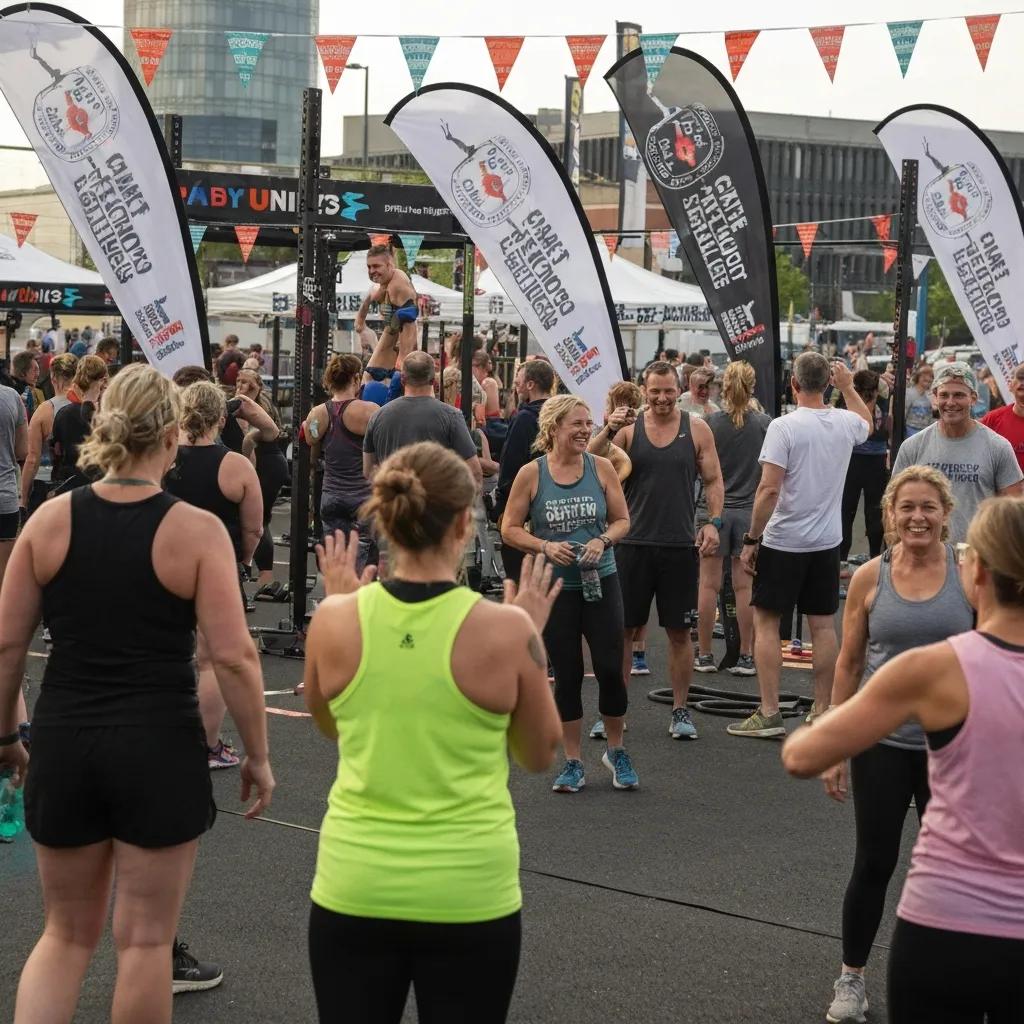
Communities commonly run monthly challenges, charity workouts, and social meetups that extend the training experience into shared goals and celebrations. Challenges offer measurable targets—such as strength benchmarks or attendance streaks—that encourage consistent participation and visible progress. Charity events and socials create opportunities for members to connect outside the gym, deepening support networks and making .
- Monthly Challenges: Goal-driven programs that encourage consistent attendance and progress tracking.
- Charity Workouts: Community fundraisers that pair purpose with training and member bonding.
- Social Meetups: Informal gatherings that create friendships and accountability.
These community events convert occasional visitors into committed members by linking social reward to .
The feasibility and functional benefits of TRX suspension training have been explored, particularly for older adults, highlighting its potential for core activation, strength, and balance improvements.
TRX Suspension Training for Older Adults: Functional Strength and Feasibility
Because of its proximity to daily activities functional training becomes more important for older adults. Sling training, a form of functional training, was primarily developed for therapy and rehabilitation. Due to its effects (core muscle activation, strength and balance improvements), sling training may be relevant for older adults. However, to our knowledge no recent sling training program for healthy older adults included a detailed training control which is indeed an essential component in designing and implementing this type of training to reach positive effects. The purpose of this study was to develop a TRX Suspension Training for healthy older adults (TRX-OldAge) and to evaluate its feasibility. Eleven participants finished the 12 week intervention study. All participants trained in the TRX-OldAge whole-body workout which consists of seven exercises including 3–4 progressively advancing stages of difficulty for every exercise. At each stage, intensity could be
TRX suspension training: A new functional training approach for older adults–development, training control and feasibility, 2015
What Do Auburn Members Say About Their Group Workout Success?
Members typically report tangible strength improvements, greater consistency, and stronger social ties when participating regularly in group formats, emphasizing metrics like heavier lifts, easier daily tasks, and improved posture. Anecdotal success commonly notes that peer encouragement and scheduled sessions made habit formation simpler and more enjoyable. Sharing progress publicly—through leaderboards or challenge results—reinforces motivation and helps sustain gains. These member outcomes illustrate how both physical results and long-term lifestyle change.
For older adults, consistent engagement in group-based is crucial for long-term adherence and retention.
Group Training Adherence and Retention for Older Adults
Retention, adherence and compliance: important considerations for home-and group-based resistance training programs for older adults
Retention, adherence and compliance: important considerations for home-and group-based resistance training programs for older adults, WJ Brown, 2006
Which Expert Trainers Lead Group Workout Classes in Auburn?
Expert trainers in group settings apply certifications and coaching experience to ensure safety, progression, and community culture—all essential for sustainable strength gains. Certified professionals use evidence-based programming that sequences load and recovery, cue movement quality, and adapt sessions to varied fitness levels. Recognized certifying bodies provide common standards that clients can reference when selecting . The next subsection outlines typical instructor credentials and how they translate into class quality and community leadership.
Who Are the Certified Instructors Driving Strength and Community?
Common instructor credentials include nationally recognized certifications that indicate competency in exercise science, program design, and safety; examples include NASM and ACSM standards for coaching and corrective exercise. Instructors with these credentials teach class progressions, monitor technique, and lead community initiatives like events or challenges to foster retention. Typical instructor roles blend programming, motivation, and risk management to deliver consistent outcomes across group cohorts. Choosing by certified trainers increases the likelihood of safe, efficient strength development.
Intro to trainer EAV table: The table below summarizes generic trainer roles, typical certifications, and the they commonly lead.
| Trainer Role | Certifications / Specialties | Typical Classes Led |
|---|---|---|
| Strength Coach | NASM, CPT; progressive overload focus | Small-group strength, bootcamp |
| Movement Specialist | ACSM, corrective exercise | Pilates, TRX, mobility-focused classes |
| Group Fitness Lead | Group fitness certification, motivational coaching | HIIT, barre, circuit classes |
What Is Our Philosophy on Combining Strength Training with Community Building?
The guiding philosophy pairs evidence-based progressive programming with to maximize adherence and measurable outcomes.
Core principles include progressive overload tailored to individuals, inclusive coaching that scales movement for all levels, and that keeps members engaged.
Implementations of these principles appear as , skill clinics, and community challenges that foster both strength improvements and lasting membership.
These combined practices create an environment where consistent effort, coached progression, and deliver sustained functional strength gains.
Frequently Asked Questions
What should I wear to group fitness classes in Auburn?
When attending group fitness classes in Auburn, it’s essential to wear comfortable, moisture-wicking clothing that allows for a full range of motion. Opt for supportive athletic shoes that provide stability and cushioning, especially for high-impact classes like HIIT or bootcamp. Additionally, consider layering your outfit, as some classes may involve varying temperatures. Don’t forget to bring a water bottle to stay hydrated and a towel for personal comfort during workouts.
How can I track my progress in group fitness classes?
Tracking progress in group fitness classes can be achieved through various methods. Many gyms provide fitness assessments at regular intervals, allowing you to measure improvements in strength, endurance, and flexibility. Additionally, consider keeping a workout journal to log your weights, repetitions, and personal feelings after each session. Some classes may also use technology, such as fitness apps or heart rate monitors, to help you visualize your progress and stay motivated.
Are group fitness classes suitable for beginners?
Yes, group fitness classes are often designed to accommodate participants of all fitness levels, including beginners. Many instructors provide modifications for exercises, allowing newcomers to participate safely while gradually building their strength and confidence. It’s advisable to communicate with the instructor before class about your experience level, so they can offer tailored guidance. Starting with beginner-friendly classes, such as Pilates or low-impact circuit training, can also help ease you into the group fitness environment.
What is the typical class size for small group training?
Small group training classes typically range from 4 to 12 participants, allowing for a more personalized experience compared to larger classes. This size enables instructors to provide individualized attention, monitor form, and adjust exercises based on each participant’s needs. The intimate setting fosters a supportive community atmosphere, encouraging camaraderie and motivation among members. This structure is particularly beneficial for those seeking to improve their strength and technique in a more focused environment.
How do I choose the right class type for my fitness goals?
Choosing the right class type for your fitness goals involves assessing your current fitness level, preferences, and desired outcomes. For strength building, consider classes like HIIT or bootcamp, which focus on high-intensity workouts. If you’re looking to improve core stability, Pilates or TRX classes may be more suitable. It’s also helpful to consult with instructors or fitness professionals who can provide insights based on your goals and any physical limitations you may have.
Can I participate in group fitness classes if I have a previous injury?
Yes, many group fitness classes can be adapted for individuals with previous injuries. It’s crucial to inform the instructor about your injury before the class begins, so they can offer modifications and ensure your safety. Instructors are trained to provide alternative exercises that accommodate various physical limitations while still allowing you to participate in the workout. However, always consult with a healthcare professional before starting any new exercise program, especially if you have a history of injuries.
What are the benefits of joining a fitness community in Auburn?
Joining a fitness community in Auburn offers numerous benefits, including increased motivation, accountability, and social support. Being part of a group can enhance your commitment to regular workouts, as you develop relationships with fellow participants who share similar goals. Community events, challenges, and social gatherings foster a sense of belonging, making exercise more enjoyable and sustainable. Additionally, the encouragement from peers can help you push through tough workouts and celebrate your achievements together.
Conclusion
Participating in group fitness classes in Auburn offers a unique blend of structured strength training and community support, enhancing both physical performance and social connections. By choosing the right class type, individuals can achieve measurable improvements in strength, mobility, and overall wellness. Engaging in a supportive fitness community not only boosts motivation but also fosters long-term adherence to fitness goals. Discover our diverse range of group classes and take the first step towards a stronger, healthier you today.