

Achieve Goals with Fitness Accountability Coaching

If you’ve ever started a fitness program full of motivation only to lose momentum weeks later, you’re not alone. Research consistently shows that accountability dramatically increases follow-through. That’s where fitness accountability coaching changes everything. Whether your goal is fat loss, strength building, improved endurance, or long-term health, accountability coaching bridges the gap between intention and execution.
Fitness accountability coaching offers a solution by providing personalized guidance and regular check-ins, ensuring clients stay on track. In this article, we will explore the definition and benefits of fitness accountability coaching, the tools that support progress tracking, motivational strategies for adults over 40, the advantages of custom fitness plans, and how to book a consultation for fitness accountability coaching in Auburn, AL.
What is Fitness Accountability Coaching and How Does It Enhance Results?
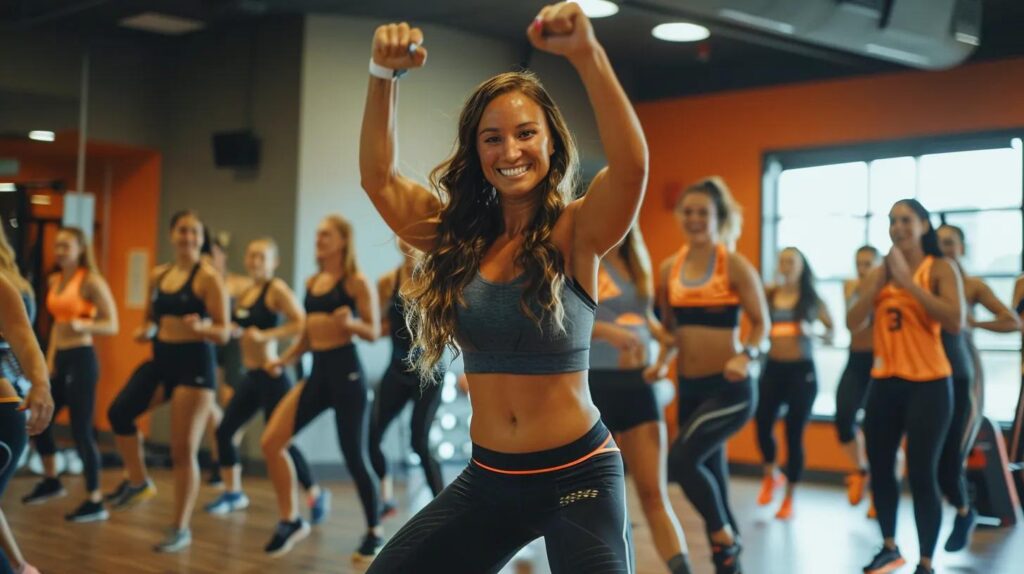
Fitness accountability coaching is a personalized approach to fitness that focuses on establishing a supportive relationship between the coach and the client. This coaching model enhances results by providing structured workout plans, regular check-ins, and motivational support. The role of a coach is crucial in helping clients stay committed to their fitness goals, as they offer encouragement and celebrate progress along the way.
For those looking to achieve their fitness goals, Infinity Personal Training specializes in personalized fitness coaching with a strong emphasis on accountability. This approach not only helps clients stay motivated but also ensures they are following a plan tailored to their unique needs. Personal Training is available to help individuals maximize their results.
Fitness accountability coaching goes beyond writing a workout plan. It provides:
- Structured goal setting
- Regular check-ins
- Performance tracking
- Habit monitoring
- Mindset support
- Adjustments based on real data
Unlike generic programs, accountability coaching creates a system where you are guided, monitored, and supported consistently.
According to the Centers for Disease Control and Prevention (CDC), adults should perform at least 150 minutes of moderate-intensity physical activity per week. Yet many struggle to meet this benchmark—not because they don’t know what to do, but because they lack structure and accountability.
Defining fitness accountability and its role in personal training
Fitness accountability refers to the commitment individuals make to themselves and their coaches to achieve specific fitness goals. This commitment is reinforced through regular check-ins, progress assessments, and open communication. The role of a coach in this process is to provide guidance, support, and encouragement, helping clients navigate challenges and celebrate milestones. By fostering a sense of accountability, clients are more likely to adhere to their fitness plans and achieve their desired outcomes.
How accountability improves motivation and goal achievement
Accountability significantly enhances motivation by creating a sense of responsibility towards one’s fitness goals. Research indicates that individuals who engage in accountability coaching are more likely to achieve their goals compared to those who do not. The presence of a coach helps maintain motivation through consistent encouragement and feedback, which can lead to improved goal achievement. This dynamic relationship fosters a supportive environment where clients feel empowered to push through obstacles and stay committed to their fitness journeys.
Which Progress Tracking Tools Support Effective Fitness Accountability?
Progress tracking tools are essential for measuring fitness outcomes and ensuring clients stay on track with their goals. These tools provide valuable insights into performance, helping both clients and coaches make informed decisions about training adjustments and strategies.
Popular methods for measuring fitness progress and outcomes
There are several popular methods for tracking fitness progress, including:
- Fitness Apps: Many apps allow users to log workouts, track nutrition, and monitor progress over time.
- Wearable Devices: Fitness trackers and smartwatches can provide real-time data on activity levels, heart rate, and calories burned.
- Regular Assessments: Scheduled fitness assessments, such as body composition analysis and strength tests, help gauge progress and adjust training plans accordingly.
These methods not only help clients visualize their progress but also reinforce accountability by providing tangible evidence of their efforts.
How progress tracking integrates with personalized fitness plans
Integrating progress tracking into personalized fitness plans is crucial for maintaining accountability. Coaches can use data from tracking tools to tailor workouts and nutrition plans to better suit individual needs. Regular check-ins based on this data allow for adjustments to be made, ensuring clients remain challenged and engaged. This dynamic approach fosters a sense of ownership over one’s fitness journey, ultimately leading to greater success.
Looking ahead, the integration of artificial intelligence promises to further revolutionize how personalized fitness coaching and progress tracking are delivered.
AI for Personalized Fitness Coaching & Exercise Mentoring
Artificial Intelligence (AI) has revolutionized various domains, and its integration into exercise mentoring systems holds great promise for optimizing fitness coaching and promoting healthy lifestyles. This chapter provides an in-depth analysis of the advancements and uses of exercise coaching systems that utilize artificial intelligence. It specifically emphasizes the assessment of performance in various age groups and durations of usage. The aim of introducing an AI fitness trainer is to enhance personalized coaching, improve exercise adherence, and achieve better health outcomes by providing real-time, accurate feedback on exercise posture and performance.
Harnessing the Power of Artificial Intelligence for Personalized Exercise Mentoring, 2026
How Does Personal Training Motivation Drive Success for Adults Over 40?
Motivation plays a pivotal role in the success of personal training, especially for adults over 40. As individuals age, they may face unique challenges that can impact their fitness journeys. Understanding these challenges and implementing effective motivational strategies is essential for achieving lasting results.
Motivational strategies tailored for individuals over 40
For adults over 40, motivational strategies should focus on realistic goal-setting and the enjoyment of physical activity. Some effective strategies include: motivational strategies
- Reframing Exercise: Encouraging clients to view exercise as a fun and enjoyable activity rather than a chore can enhance motivation.
- Setting Achievable Goals: Establishing realistic and attainable goals helps maintain motivation and prevents feelings of overwhelm.
- Community Support: Engaging with a fitness community can provide additional motivation and accountability, fostering a sense of belonging.
These strategies can help older adults stay committed to their fitness routines and achieve their goals.
Client success stories demonstrating sustained motivation and results
Success stories from clients over 40 can serve as powerful motivators for others. Many individuals have transformed their lives through fitness accountability coaching, showcasing the effectiveness of personalized plans and support. These stories often highlight the importance of consistency, community, and the role of a coach in maintaining motivation. By sharing these experiences, potential clients can see the tangible benefits of accountability coaching and feel inspired to embark on their own fitness journeys.
What Are the Benefits of Custom Fitness Plans in Accountability Coaching?
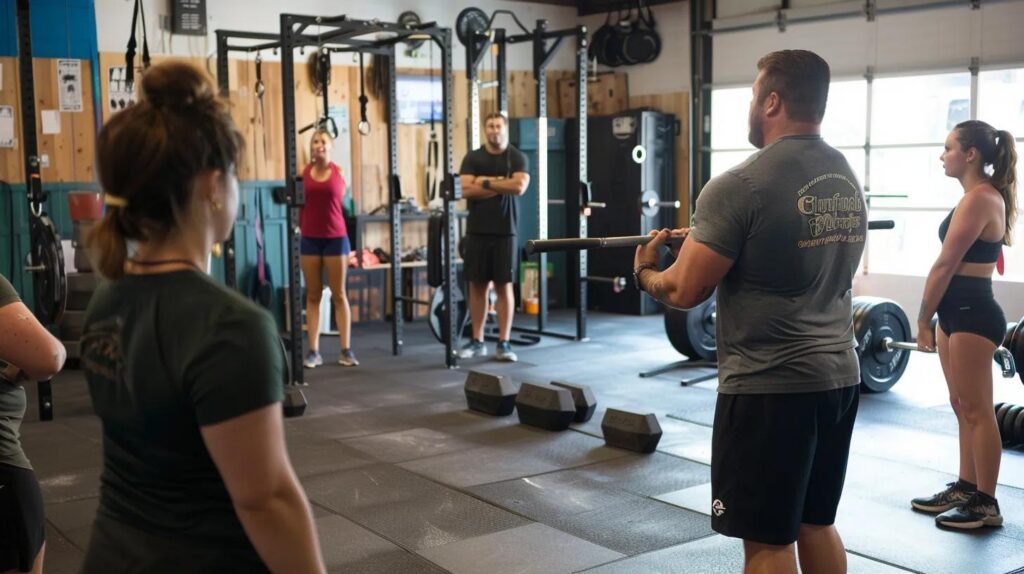
Custom fitness plans are a cornerstone of effective accountability coaching, as they address the unique goals and challenges faced by each individual. These personalized programs are designed to maximize results and enhance the overall fitness experience.
How personalized programs address unique fitness goals and challenges
Personalized fitness programs take into account an individual’s specific goals, fitness level, and any limitations they may have. This tailored approach ensures that clients are following a plan that is both effective and sustainable. By focusing on individual needs, coaches can create workout plans that challenge clients while also being mindful of their capabilities.
The role of accountability coaches in customizing and adjusting plans
Accountability coaches play a vital role in the customization and adjustment of fitness plans. They regularly assess client progress and make necessary modifications to ensure continued growth and improvement. This ongoing support helps clients stay engaged and motivated, as they can see the direct impact of their efforts on their fitness journey.
How Can You Book a Consultation for Fitness Accountability Coaching in Auburn, AL?
Booking a consultation for fitness accountability coaching is a straightforward process that can set you on the path to achieving your fitness goals. Infinity Personal Training offers a seamless experience for prospective clients looking to start their journey.
Steps to schedule a personal training consultation with Infinity Personal Training
To schedule a consultation, follow these simple steps: personal training
- Visit the Website: Navigate to the Infinity Personal Training website to learn more about their services.
- Contact Directly: Reach out via email at Cam@InfinityPersonalTraining.com or call +1-334-209-5236 to discuss your goals and schedule an appointment.
- Initial Assessment: During your first consultation, you will undergo an initial assessment to determine your fitness level and goals.
What to expect during your initial accountability coaching session
During your initial session, you can expect a personalized approach that focuses on understanding your unique fitness journey. The coach will discuss your goals, challenges, and preferences, ensuring that your fitness plan is tailored to your needs. This session sets the foundation for a successful coaching relationship, emphasizing accountability and support throughout your fitness journey. fitness coaching
Frequently Asked Questions
What types of clients benefit most from fitness accountability coaching?
Fitness accountability coaching is particularly beneficial for individuals who struggle with motivation, consistency, or have specific fitness goals they wish to achieve. This includes beginners looking to establish a routine, busy professionals needing structured support, and older adults facing unique challenges related to aging. Additionally, those who have previously attempted to reach their fitness goals without success may find that the personalized guidance and accountability provided by a coach can make a significant difference in their journey.
How does fitness accountability coaching differ from traditional personal training?
While traditional personal training focuses primarily on exercise instruction and physical training, fitness accountability coaching emphasizes the psychological aspects of fitness, such as motivation, commitment, and goal-setting. Coaches work closely with clients to foster a supportive relationship that encourages accountability and personal growth. This holistic approach often includes regular check-ins, progress tracking, and motivational strategies tailored to individual needs, making it a more comprehensive solution for achieving long-term fitness success.
Can I do fitness accountability coaching online?
Yes, many fitness accountability coaches offer online coaching options, making it accessible regardless of your location. Online coaching typically includes virtual check-ins, personalized workout plans, and digital progress tracking through apps or video calls. This flexibility allows clients to receive support and guidance from the comfort of their homes, making it easier to fit fitness into busy schedules. Online coaching can be just as effective as in-person sessions, provided there is a strong commitment from the client.
What are some common challenges faced during fitness accountability coaching?
Clients may encounter various challenges during fitness accountability coaching, including plateaus in progress, time management issues, or difficulty maintaining motivation. Emotional barriers, such as self-doubt or fear of failure, can also arise. Coaches are trained to help clients navigate these challenges by providing strategies to overcome obstacles, adjusting fitness plans as needed, and offering continuous motivation tips. Open communication with the coach is essential for addressing these issues and ensuring a successful coaching experience.
How can I measure the effectiveness of my fitness accountability coaching?
Measuring the effectiveness of fitness accountability coaching can be done through various metrics, including physical progress (e.g., weight loss, strength gains), adherence to the fitness plan, and overall well-being. Regular assessments and feedback from your coach can provide insights into your progress. Additionally, tracking personal milestones, such as completing a workout consistently or achieving a specific fitness goal, can help gauge success. Ultimately, the most important measure is how you feel about your journey and the improvements in your lifestyle.
What should I do if I feel my accountability coach isn't meeting my needs?
If you feel that your accountability coach isn’t meeting your needs, it’s important to communicate your concerns openly. Discuss specific areas where you feel support is lacking, whether it’s motivation, guidance, or communication. A good coach will be receptive to feedback and willing to adjust their approach to better suit your needs. If, after discussing your concerns, you still feel unsatisfied, it may be worth considering a different coach who aligns more closely with your goals and expectations
What qualifications should I look for in a fitness accountability coach?
When selecting a fitness accountability coach, it’s essential to consider their qualifications and experience. Look for certifications from reputable organizations, such as the National Academy of Sports Medicine (NASM) or the American Council on Exercise (ACE). Additionally, a good coach should have experience working with clients who have similar goals or challenges as yours. Personal testimonials and success stories can also provide insight into their effectiveness and coaching style, ensuring you find a coach who aligns with your needs.
How often should I meet with my accountability coach?
The frequency of meetings with your accountability coach can vary based on your individual goals and preferences. Generally, weekly sessions are recommended for optimal support and motivation, especially in the initial stages of your fitness journey. However, some clients may benefit from bi-weekly or monthly check-ins as they progress. The key is to maintain regular communication to ensure accountability and make necessary adjustments to your fitness plan, keeping you engaged and on track toward your goals.
Can fitness accountability coaching help with nutrition as well?
Yes, fitness accountability coaching often includes guidance on nutrition as part of a holistic approach to health and fitness. Coaches can help clients understand the importance of balanced diets, meal planning, and healthy eating habits that complement their fitness routines. While some coaches may offer specific nutritional plans, others may focus on educating clients about making healthier choices. This integrated approach ensures that clients not only work on their physical fitness but also develop sustainable eating habits that support their overall wellness.
What should I expect in terms of progress during accountability coaching?
Progress during accountability coaching can vary widely among individuals, depending on factors such as commitment, starting fitness level, and personal goals. Clients can typically expect to see improvements in their fitness levels, such as increased strength, endurance, and overall well-being within a few weeks. Regular assessments and feedback from your coach will help track these changes. It’s important to remember that progress is not always linear; some weeks may show more significant results than others, but consistent effort will lead to long-term success.
How can I stay motivated between coaching sessions?
Staying motivated between coaching sessions is crucial for maintaining progress. One effective strategy is to set small, achievable goals that can be accomplished before your next meeting. Additionally, keeping a fitness journal to track workouts, nutrition, and feelings can help maintain focus. Engaging with a fitness community, whether online or in-person, can also provide support and encouragement. Lastly, incorporating variety into your workouts can keep things fresh and exciting, making it easier to stay committed to your fitness journey.
Is fitness accountability coaching suitable for beginners?
Absolutely! Fitness accountability coaching is highly beneficial for beginners. Coaches are trained to work with individuals at all fitness levels, providing personalized plans that cater to your unique starting point. They can help you build a solid foundation, ensuring that you learn proper techniques and develop healthy habits from the outset. The supportive environment created by accountability coaching can also help beginners overcome initial fears and barriers, making the journey to personal trainer more enjoyable and sustainable.
Conclusion
Fitness accountability coaching provides a structured and supportive environment that empowers individuals to achieve their fitness goals through personalized guidance and motivation. By fostering accountability, clients experience enhanced motivation and commitment, leading to measurable progress in their fitness journeys. If you’re ready to transform your approach to fitness, consider booking a consultation with a coach who can tailor a plan to your unique needs. Start your journey towards lasting success today.