


TL;DR
Up to 40% of adults over 65 experience chronic dehydration, which impairs joint lubrication, recovery, and energy, according to UCLA Health.
The thirst mechanism weakens with age, so a 55-year-old training hard may not feel the same urgent need to drink as a 25-year-old, meaning mild dehydration often sets in before thirst is even noticed.
A fast, reliable hydration check is urine color: pale and clear signals good hydration, darker shades signal a fluid deficit.
Water intake needs shift with age, activity level, and climate, there is no one-size-fits-all “8 glasses a day” rule, according to Mayo Clinic.
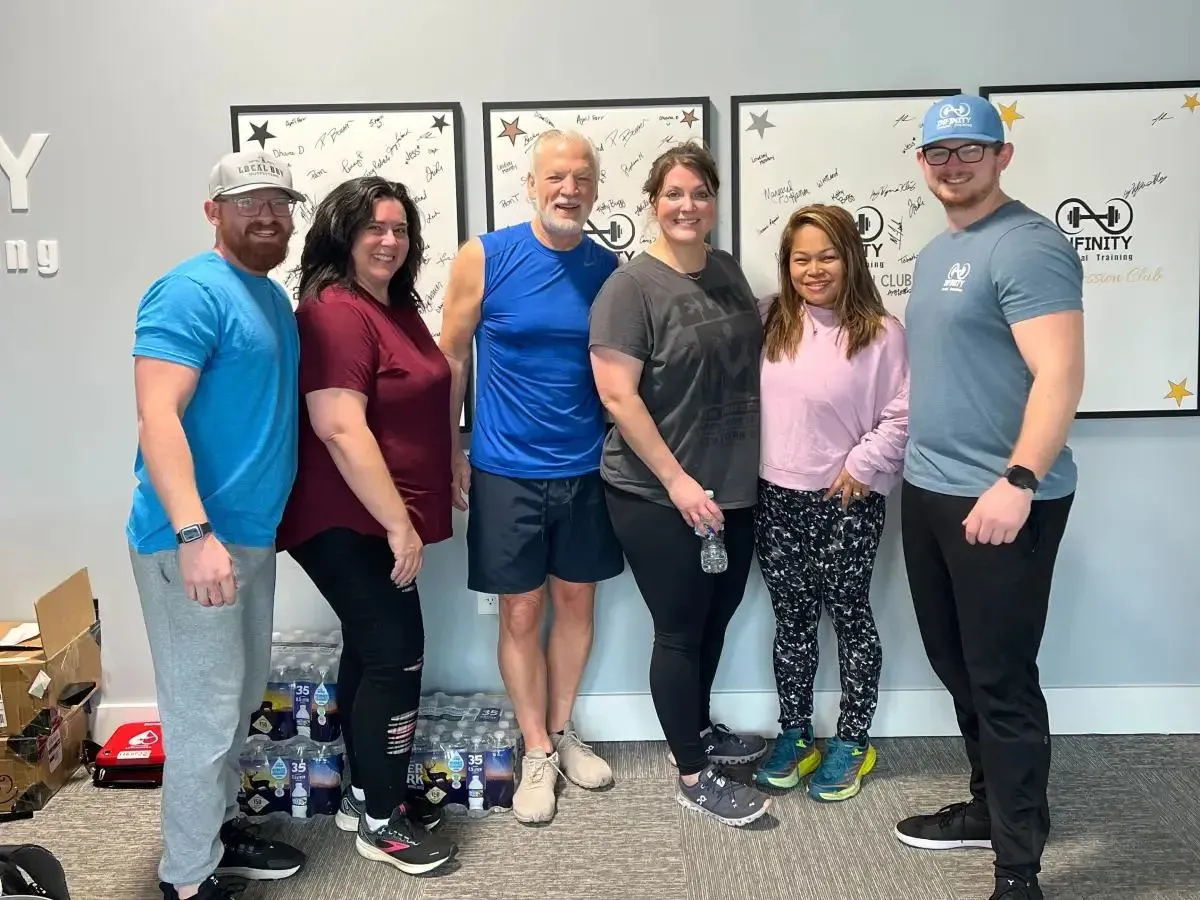
Infinity Personal Training’s Bent Creek studio in Auburn, Alabama builds hydration coaching into every one-on-one and small group training program, Monday through Friday, 7 AM to 8 PM.
Hydration Fitness: Essential Tips for Active Adults Over 40
Proper hydration becomes critical for active adults over 40 as the body loses its ability to retain water. Up to 40% of adults older than 65 experience chronic dehydration, which impairs joint lubrication, recovery, and energy. For Auburn-area clients searching for a personal trainer near me who understands these age-related changes, Infinity Personal Training’s Bent Creek studio offers one-on-one personal training sessions and small group training, with additional Alabama locations in North Auburn and at Cahaba Heights in Vestavia Hills. Start Your Wellness Journey Today! Request More Information to get started with a hydration and training plan built around their goals.
Key Takeaways
The thirst mechanism weakens with age, so a 55-year-old does not feel the same urgent need to drink as a 25-year-old.
Up to 40% of adults older than 65 experience chronic dehydration, leading to confusion and serious health complications.
Water lubricates joints and pumps blood to the heart, making each rep smoother and every stride more efficient.
A quick, reliable check for hydration status is urine color, with pale and clear urine signaling good hydration.
Why does hydration matter more after 40?
Aging bodies lose water faster. The physiological shift that begins around age 40 makes every glass count more than it did a decade earlier. As the body ages, it becomes harder to hold onto water, making dehydration a constant risk. This decline accelerates through the 50s and 60s, directly undermining the recovery and energy that active men and women depend on.
How does aging change the body’s water balance?
The body’s water composition shrinks with age. Muscle tissue, which holds significant water, gradually declines while fat tissue increases. This shift reduces the body’s natural water reservoir. At the same time, kidney function becomes less efficient at concentrating urine, so more water escapes with every trip to the bathroom. For clients pursuing an active lifestyle hydration strategy, these biological changes mean standard drinking habits no longer suffice.
Why do older adults stop feeling thirsty?
The thirst mechanism weakens. The sense of thirst naturally weakens with age. A 55-year-old finishing a tough training session does not feel the same urgent need to drink that a 25-year-old feels. By the time thirst registers, mild dehydration has already set in. This delayed signal causes fatigue, mental fog, and slower workout recovery. The consequences are stark: up to 40% of adults older than 65 experience chronic dehydration, according to UCLA Health, leading to confusion and serious health complications.
Water intake benefits extend far beyond quenching thirst. Proper hydration regulates body temperature during exercise, lubricates joints under load, and transports nutrients to recovering muscles. Without it, strength plateaus and endurance drops. Infinity Wellness provides nutritional advice that helps clients build consistent hydration habits around their training schedule. A structured approach to hydration fitness prevents the energy crashes that derail progress. Active adults over 40 who prioritize fluid intake maintain sharper focus, better joint comfort, and faster bounce-back between sessions.
How does hydration boost workout results?
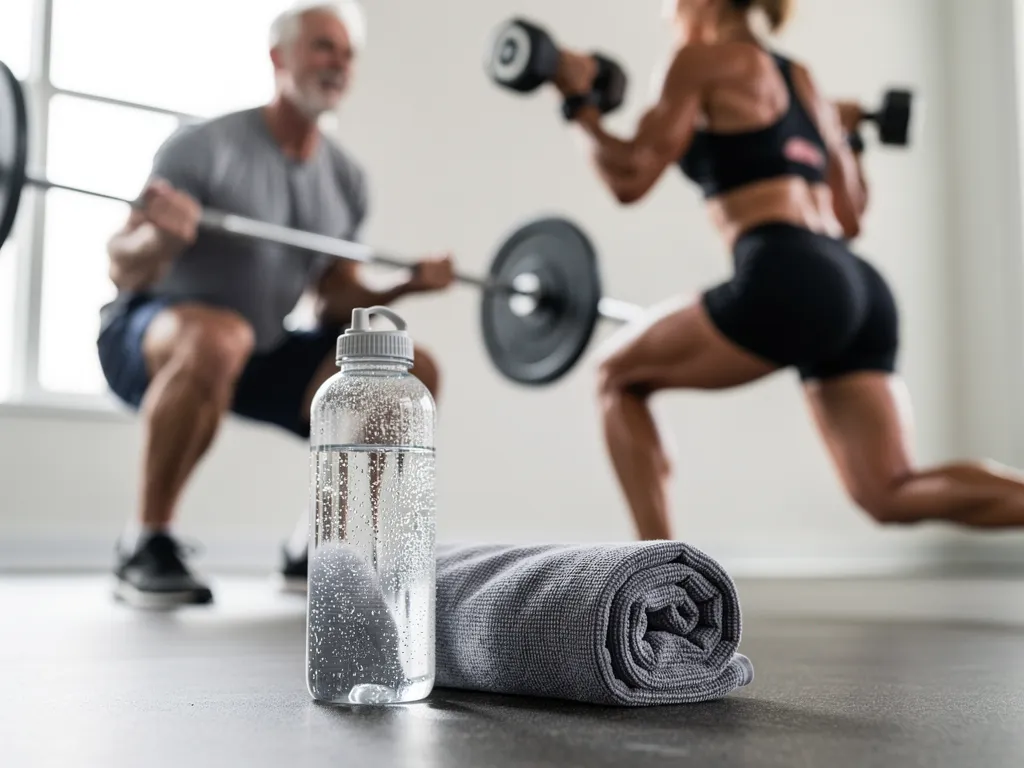
Proper hydration directly powers every muscle contraction and joint movement during exercise. Without adequate fluids, performance drops fast. Dehydration adversely affects metabolism and muscle function, robbing clients of the strength gains they work hard to achieve. For active men and women over 40, this metabolic slowdown compounds the natural muscle loss that comes with aging.
Hydration fitness becomes a non-negotiable performance tool. The body needs water to produce synovial fluid that cushions knees and hips during squats and lunges. Blood volume depends on water intake. When plasma levels drop, the heart works harder to deliver oxygen to working muscles. Fatigue sets in earlier. Recovery stretches longer.
What are the key water intake benefits for strength training?
The water intake benefits extend beyond quenching thirst. Water transports nutrients to muscle tissue and removes metabolic waste after intense sessions. Proper hydration maintains the electrolyte balance required for nerve signaling. Muscles fire more reliably. Cramps become less frequent. For clients pursuing an active lifestyle hydration strategy, these physiological advantages translate into consistent training output and faster between-set recovery.
How does dehydration sabotage fitness progress?
Even mild dehydration thickens the blood and reduces stroke volume. The heart rate climbs at lower workloads. Perceived exertion spikes while actual power output declines. A dehydrated body cannot regulate temperature effectively during Alabama’s summer training months. Core temperature rises unchecked. Endurance crumbles. Infinity Wellness offers online consultations. Trainers educate clients on pre-workout and post-workout fluid timing to protect joint health and sustain energy through complete training sessions.
What is the best hydration plan for training?
An effective hydration plan for training is personalized, not generic. Water intake needs shift based on health, age, activity level, and climate, according to Mayo Clinic. A fixed “8 glasses” rule ignores these critical variables. Without a tailored strategy, active adults over 40 risk chronic dehydration, which affects up to 40% of older adults and undermines recovery, joint lubrication, and energy levels.
Hydration fitness demands a proactive, measurable approach. A quick, reliable check is urine color. Pale and clear urine signals good hydration. Darker shades indicate a fluid deficit that compromises performance. High sodium intake complicates this picture. Salty meals cause water retention, temporarily masking true hydration status on the scale. This false reading can derail progress tracking.
How does activity level change water intake needs?
Exercise increases fluid loss through sweat. The body requires more water to regulate temperature and maintain blood volume. A sedentary person’s baseline intake falls short for someone in a strength or endurance program. Replacing lost fluids prevents the fatigue and confusion linked to dehydration.
What role does climate play in hydration?
Hot or humid environments accelerate dehydration. Training in Alabama’s summer heat demands a higher fluid intake than a climate-controlled gym. The body loses water faster, making consistent sipping during workouts essential. Ignoring climate factors leads to early fatigue and longer recovery times.
Infinity Wellness offers online consultations. This expert guidance removes the guesswork, ensuring every workout delivers maximum results without the hidden cost of poor hydration.
How can active adults build lasting hydration habits?
Lasting hydration habits require structure, accountability, and a clear understanding of how fluid balance affects performance. Active men and women over 40 lose more than just water during training. They lose electrolytes, joint lubrication, and recovery capacity. Building a routine around consistent fluid intake prevents the fatigue and confusion that chronic dehydration triggers. Up to 40% of adults older than 65 experience chronic dehydration, a condition that compromises energy and recovery long before thirst signals appear.
Why does accountability improve hydration consistency?
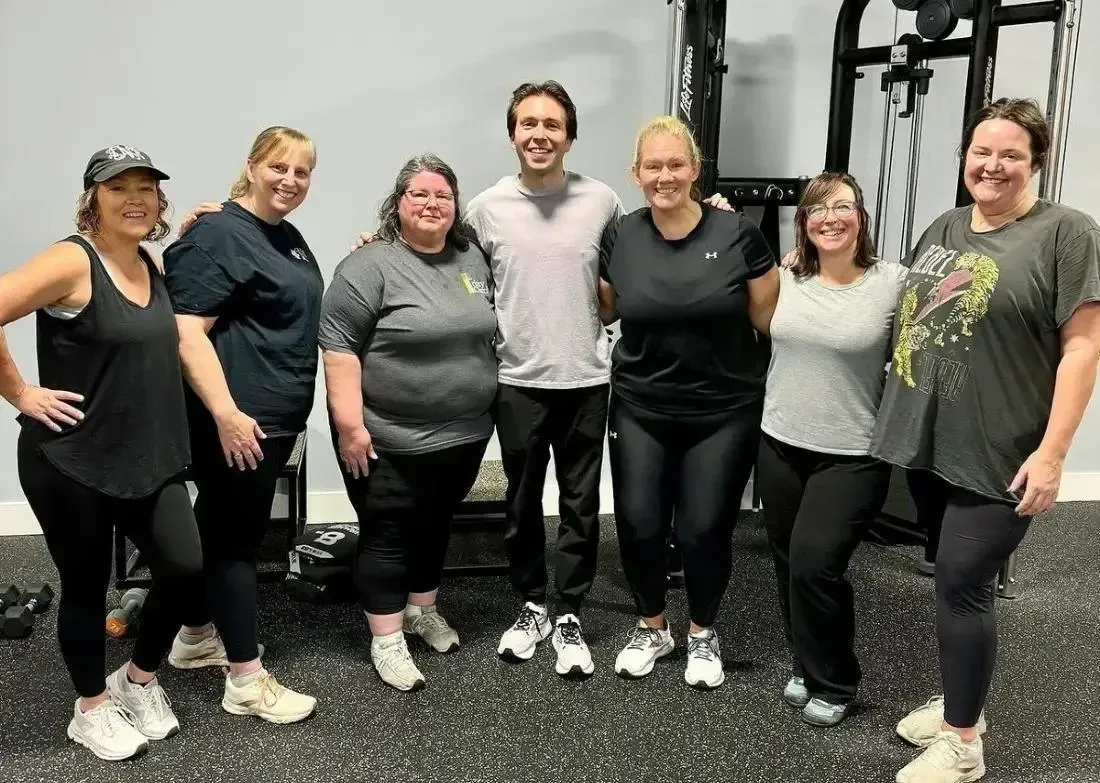
Infinity Wellness structures its programs around community and accountability. Founded on the belief that fitness is grounded in community, accountability, and continued support, the company integrates hydration tracking into its personalized training model across its Alabama locations, the flagship Bent Creek studio in Auburn, the North Auburn location, and the Cahaba Heights studio in Vestavia Hills. Clients training near any of these neighborhoods get the same trainer-led hydration coaching, so the guidance stays consistent whether someone works out close to downtown Auburn or near Vestavia Hills. Clients who log their water intake alongside their workouts build the habit faster. The social reinforcement of a trainer checking daily fluid goals creates a feedback loop that solo efforts lack. Without that external checkpoint, hydration slips down the priority list and recovery stalls.
How does sleep quality affect hydration status?
Poor sleep disrupts the body’s fluid regulation. A lack of quality sleep increases stress hormones like cortisol, which leads to temporary water retention and hormonal imbalances. This retention masks true hydration needs and confuses clients who track morning weight. Trainers at Infinity Wellness help members connect sleep data with hydration patterns, adjusting intake targets after restless nights. The Bent Creek studio, located at 2459 E Glenn Ave, Auburn, AL 36830, operates Monday through Friday from 7 AM to 8 PM, giving clients consistent access to guidance on these interconnected recovery factors. Clients can call +1-334-209-5239 to schedule a hydration and training consultation at this location.
Hydration fitness depends on more than water volume. Water intake benefits extend to joint function, temperature control, and cognitive sharpness during training. An active lifestyle hydration plan must account for individual variables like hormone levels. Infinity Wellness offers low testosterone treatments that influence hydration needs, making personalized fluid strategies essential for clients managing hormonal changes. Consistent habits, built with professional oversight, turn hydration from an afterthought into a performance advantage.
FAQ
Why does hydration matter more after 40?
Aging bodies lose water faster, and the thirst mechanism weakens, so a 55-year-old does not feel the same urgent need to drink as a 25-year-old.
How can I check my hydration status?
A quick, reliable check is urine color, with pale and clear urine signaling good hydration.
Conclusion
Hydration is not a side note to training, it is the foundation that keeps joints cushioned, blood flowing, and recovery on schedule. For active adults over 40, the choice is straightforward: build a fluid routine that matches individual sweat rate, climate, and sleep patterns, or accept the fatigue and stalled progress that dehydration guarantees. Starting with the urine color check, adjusting intake around workouts, and replacing guesswork with consistent habits sets up a noticeably stronger next session.
Ready to Build a Hydration Plan That Works?
A personal trainer who understands age-related hydration changes can turn these guidelines into a plan built around each client’s training schedule, joint health, and Alabama’s climate. Clients can stop by the Infinity Personal Training studio at 2459 E Glenn Ave, Auburn, AL 36830 or call +1-334-209-5239 to schedule a one-on-one or small group session.
Start Your Wellness Journey Today! Request More Information and a member of the Infinity Wellness team will help build a hydration and training plan suited to the client’s goals.