

Personalized 1-on-1 Training for Optimal Results
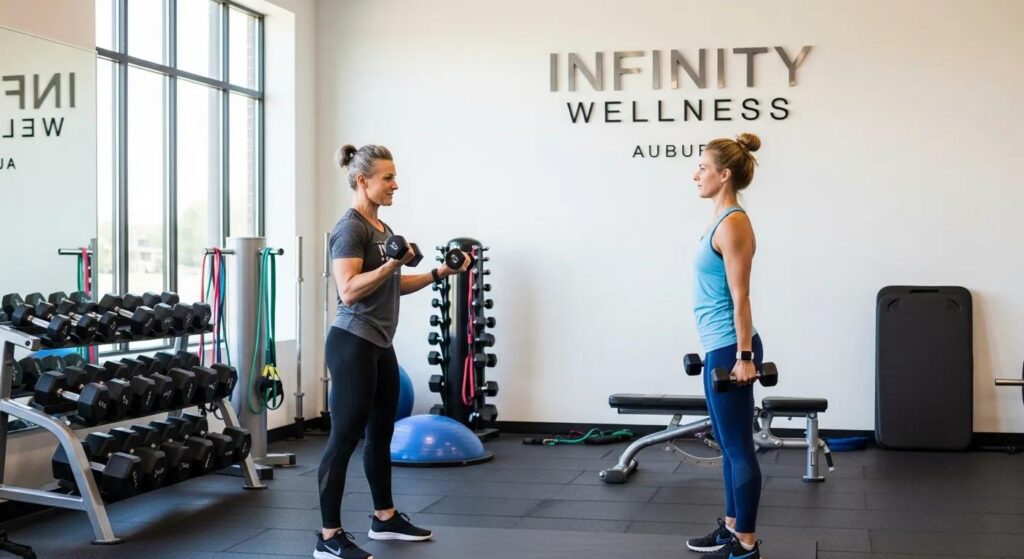
Infinity Personal Training offers personalized 1-on-1 training tailored to individual fitness levels, goals, and limitations. Their expert trainers provide customized workout programs, accountability, and motivation to help clients achieve optimal results while ensuring proper form to prevent injuries.
This article explores the key benefits of one-on-one fitness coaching, how custom workout plans are designed, the qualifications of personal trainers, and the importance of tracking fitness progress. By understanding these elements, individuals can make informed decisions about their fitness journey and maximize their results.
What Are the Key Benefits of One-On-One Fitness Coaching?
The key benefits of one-on-one fitness coaching include:
- 100% Customized Training Program: Each program is tailored to individual fitness levels and personal goals.
- Dedicated Coaching: Clients receive focused attention and support from a coach.
- Flexible Membership: Options to fit different schedules and preferences.
- Personalized Roadmap: Coaches help construct a unique fitness journey based on individual ambitions and professional advice.
- Significant Wellbeing Boost: Clients can experience improved health and happiness as they progress towards their fitness targets.
- Supportive Community: Being part of a vibrant fitness community dedicated to success.
For those seeking effective fitness solutions, personalized training programs can significantly enhance motivation and accountability. Infinity Personal Training exemplifies this approach by offering tailored coaching that aligns with individual needs and aspirations. Our programs focus on delivering customized experiences that cater to each client’s unique fitness journey.
Further emphasizing the impact of dedicated support, research highlights how one-on-one coaching, even in digital formats, can drive significant progress in health and weight management.
One-on-One Health Coaching for Digital Weight Management & Progress Tracking
A 12-month digital weight management intervention was provided to overweight or obese adults recruited from a large technology company. One-on-one health coaching sessions were offered during a 24-week intensive phase as well as subsequent maintenance phase. Focused on sustainable changes in activity and diet, the intervention incorporates SMART goals, in-app food and activity logs, Fitbit integration, as well as optional sleep and stress modules. Self-Determination Theory and the Transtheoretical Model are incorporated to drive behavior change.
Outcomes in a digital weight management intervention with one-on-one health coaching, M Kaur, 2020
How Does Personalized Training Enhance Fitness Progress?
Personalized training enhances fitness progress by providing tailored guidance, accountability, and specialized exercise programs that align with an individual’s fitness level and goals. Personal trainers assess clients’ needs and design customized workouts, ensuring efficient and effective progress.
They also track progress through regular assessments, helping clients stay motivated and focused on their objectives. Additionally, personalized training can optimize workout efficiency, leading to faster results compared to working out alone.
Why Choose a Private Personal Trainer for Tailored Fitness Programs?
Choosing a private personal trainer for tailored fitness programs offers several benefits:
- Personalized Guidance: Trainers provide customized exercise programs based on individual fitness levels, goals, and needs.
- Accountability and Motivation: A dedicated coach helps keep clients accountable and motivated, celebrating successes and pushing through challenges.
- Efficiency and Faster Results: Trainers optimize workouts to maximize results in less time, focusing on the right exercises and recovery strategies.
- Supportive Community: Clients become part of a positive and encouraging fitness community, enhancing the workout experience.
- Nutritional Guidance: Trainers may offer insights and support for meal planning to complement fitness goals, depending on their qualifications.
- Custom Training for All Levels: Programs are designed for all fitness levels, ensuring continuous improvement without overwhelming clients.
These advantages highlight the value of investing in a private trainer, especially for those who may struggle with self-motivation or require specific guidance to achieve their fitness goals.
How Are Custom Workout Plans Designed for Adults 30 and Over?
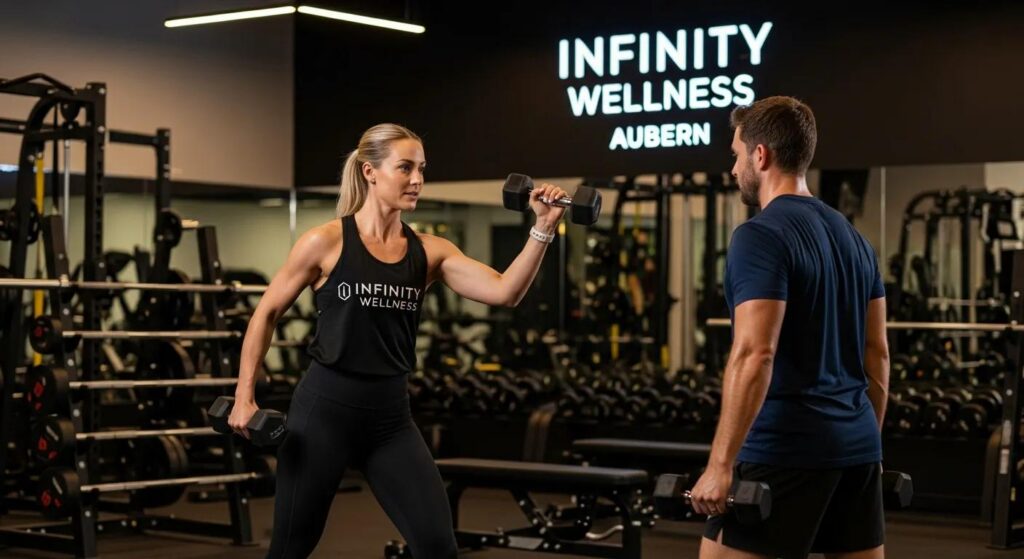
Custom workout plans for adults 30 and over are designed by personal trainers who assess each client’s fitness level, goals, and individual needs. This personalized approach ensures that the exercise program is tailored to help them achieve their desired results effectively and efficiently.
What Factors Influence Individualized Workout Planning?
Factors that influence individualized workout planning include: programs
- Client’s Fitness Level: Assessing the current fitness level of the individual.
- Goals: Understanding the specific fitness goals of the client, such as weight loss, muscle gain, or overall health improvement.
- Individual Needs: Considering any unique requirements or preferences of the client.
- Exercise Science Knowledge: Utilizing knowledge of exercise science to design effective programs.
- Nutritional Guidance: Incorporating nutritional insights to complement the training program when appropriate.
- Progress Measurement: Regular assessments to track changes in body composition, strength, endurance, and overall fitness levels.
These factors ensure that workout plans are not only effective but also sustainable, catering to the unique circumstances of each client.
How Do Trainers Customize Strength and Cardio Exercises?
Trainers customize strength and cardio exercises by assessing each client’s fitness level, goals, and individual needs. They then design a personalized exercise program tailored to help clients achieve their desired results effectively and efficiently. This customization allows for a balanced approach that incorporates both strength training and cardiovascular fitness, essential for overall health.
What Qualifications and Expertise Should You Expect from a Private Fitness Coach?
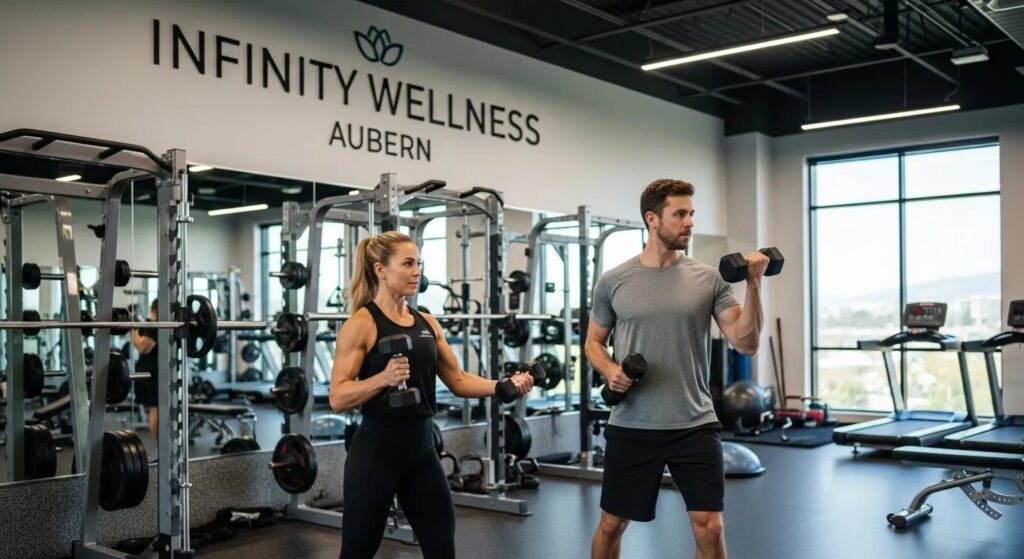
You should expect a private fitness coach to have a certification from a reputable organization, knowledge of exercise science, and experience in designing and implementing personalized fitness programs for clients.
Which Certifications and Experience Define Expert Personal Trainers?
Expert personal trainers are defined by their certifications from reputable organizations, knowledge of exercise science, and experience in designing and implementing personalized fitness programs for clients. These qualifications ensure that trainers are equipped to provide safe and effective guidance tailored to individual needs.
Understanding the depth of expertise required, studies have investigated the critical qualifications that define effective personal fitness trainers.
Personal Fitness Trainer Qualifications: Education, Certification & Experience
A threefold approach was utilized to analyze the problem of defining personal fitness trainers’ qualifications. First, the problem was explored nationally, internationally and locally. Within the local context, the history of the exercise science program, stakeholders and culture at the University of Central Florida and in the central Florida marketplace was examined. Next, a systematic literature review examined possible causes within the knowledge context, learning/motivational context and organizational/cultural context. Then, an original research study investigated the qualifications for Central Florida, Personal Fitness Trainers (PFTs) by examining the relationship(s) and/or differences between variables such as education, certification, years of experience and income as well as attitudes, opinions and beliefs (AOBs) regarding those variables.
Investigating personal fitness trainers’ qualifications, 2014
How Does Trainer Expertise Impact Tailored Fitness Program Success?
Trainer expertise impacts tailored fitness program success by ensuring that clients receive personalized guidance and effective coaching. Effective trainers combine their knowledge with strong communication skills and motivation techniques, which help clients achieve their fitness goals. Additionally, specialized trainers can cater to specific fitness objectives, enhancing the overall effectiveness of the program. Regular assessments and monitoring of key performance indicators further contribute to tracking progress and making necessary adjustments to the training plan.
How Can Fitness Progress Tracking Improve Your Personalized Training Results?
Fitness progress tracking can improve personalized training results by allowing personal trainers to measure changes in clients’ body composition, strength, endurance, flexibility, and overall fitness levels. Regular assessments and monitoring key performance indicators help trainers customize workouts effectively, ensuring clients stay on track toward their goals and make steady progress.
The importance of a scientific, adaptable approach to training is underscored by research advocating for personalized, evidence-informed plans and continuous progress monitoring.
Personalized Evidence-Informed Training Plans & Progress Monitoring
A training plan, or an exercise prescription, is the point where we translate sport and exercise science into practice. As in medicine, good practice requires writing a training plan or prescribing an exercise programme based on the best current scientific evidence. Another challenge is that the adaptation to a given, e.g. endurance or resistance training programme is often highly variable. Until biomarkers for trainability are identified, we must therefore continue to test athletes, clients, or patients, and monitor training variables via a training log to determine whether an individual sufficiently responds to a training intervention or else re-plan. Finally, we advocate an athlete, client and patient-centered approach whereby an individual’s needs and abilities are the main consideration behind all decision-making.
Personalized, evidence-informed training plans and exercise prescriptions for performance, fitness and health, H Wackerhage, 2021
What Methods Are Used to Monitor Client Fitness Goals?
Methods used to monitor client fitness goals include tracking changes in body composition, strength, endurance, flexibility, and overall fitness levels through regular assessments and monitoring key performance indicators. Additionally, trainers provide accountability and motivation to help clients stay on track toward their goals.
How Does Data-Driven Tracking Support One-on-One Coaching?
Data-driven tracking supports one-on-one coaching by allowing trainers to monitor clients’ progress through regular assessments of body composition, strength, endurance, flexibility, and overall fitness levels. This tracking helps in identifying key performance indicators, ensuring that the coaching is personalized and effective, ultimately leading to better results for clients.
Different aspects of personalized training contribute to overall fitness success, and understanding these elements can empower individuals to take charge of their health and wellness journey.
| Benefit | Description | Value |
|---|---|---|
| Customized Training | Tailored programs based on individual needs | High |
| Dedicated Coaching | Focused attention from a personal trainer | High |
| Flexible Membership | Options to fit various schedules | Medium |
| Personalized Roadmap | Unique fitness journey construction | High |
| Community Support | Encouragement from a fitness community | Medium |
This table illustrates the various benefits of personalized training, emphasizing the value of tailored approaches in achieving fitness goals.
Fitness coaching offers a comprehensive approach to health and wellness, ensuring that individuals receive the support and guidance necessary to succeed in their fitness journeys. By understanding the benefits, customization processes, and the importance of tracking progress, clients can make informed decisions that lead to optimal results.
Frequently Asked Questions
What should I look for when choosing a personal trainer?
When selecting a personal trainer, consider their qualifications, certifications, and experience. Look for trainers who have certifications from reputable organizations, as this indicates a solid understanding of exercise science. Additionally, assess their experience in working with clients who have similar goals or needs as yours. It’s also beneficial to find a trainer whose coaching style aligns with your preferences, as a good rapport can enhance motivation and accountability during your fitness journey.
How often should I meet with my personal trainer?
The frequency of meetings with a personal trainer can vary based on individual goals, schedules, and budgets. Many clients benefit from meeting once or twice a week for consistent guidance and motivation. However, some may choose to meet more frequently during initial phases or less often as they become more self-sufficient. It’s essential to discuss your specific needs with your trainer to establish a schedule that maximizes your progress while fitting into your lifestyle.
Can personal trainers help with nutrition advice?
Many personal trainers offer basic nutritional guidance as part of their services, especially if they have relevant certifications in nutrition. They can help clients understand the importance of balanced diets, meal planning, and how nutrition complements fitness goals. However, for more specialized dietary needs or medical conditions, it’s advisable to consult a registered dietitian or nutritionist. Always clarify the extent of nutritional support your trainer can provide before starting your program.
What types of clients benefit most from personal training?
Personal training can benefit a wide range of clients, including beginners looking to establish a fitness routine, individuals with specific health goals like weight loss or muscle gain, and those recovering from injuries. Additionally, clients who struggle with motivation or accountability often find personal training particularly helpful. Experienced athletes may also seek trainers for specialized training programs to enhance performance in their respective sports.
How can I track my fitness progress effectively?
Effective tracking of fitness progress involves setting clear, measurable goals and regularly assessing your performance against them. Utilize tools such as fitness apps, journals, or wearable devices to log workouts, track body measurements, and monitor changes in strength and endurance. Regular check-ins with your personal trainer can also provide valuable insights and adjustments to your program, ensuring you stay on track toward achieving your fitness objectives.
What is the role of accountability in personal training?
Accountability is a crucial aspect of personal training, as it helps clients stay committed to their fitness goals. A personal trainer provides motivation and encouragement, ensuring clients adhere to their workout schedules and dietary plans. This support can be particularly beneficial during challenging times when self-motivation may wane. By having someone to report to, clients are more likely to push through obstacles and maintain consistency in their fitness journey.
Conclusion
Investing in personalized one-on-one fitness coaching can significantly enhance your health and wellness journey by providing tailored programs, dedicated support, and a motivating community. Understanding the benefits of customized training and the expertise of qualified trainers empowers individuals to achieve their fitness goals effectively. By taking the next step and exploring Infinity Personal Training‘s offerings, you can unlock your full potential. Start your transformative fitness journey today and experience the difference personalized coaching can make.